
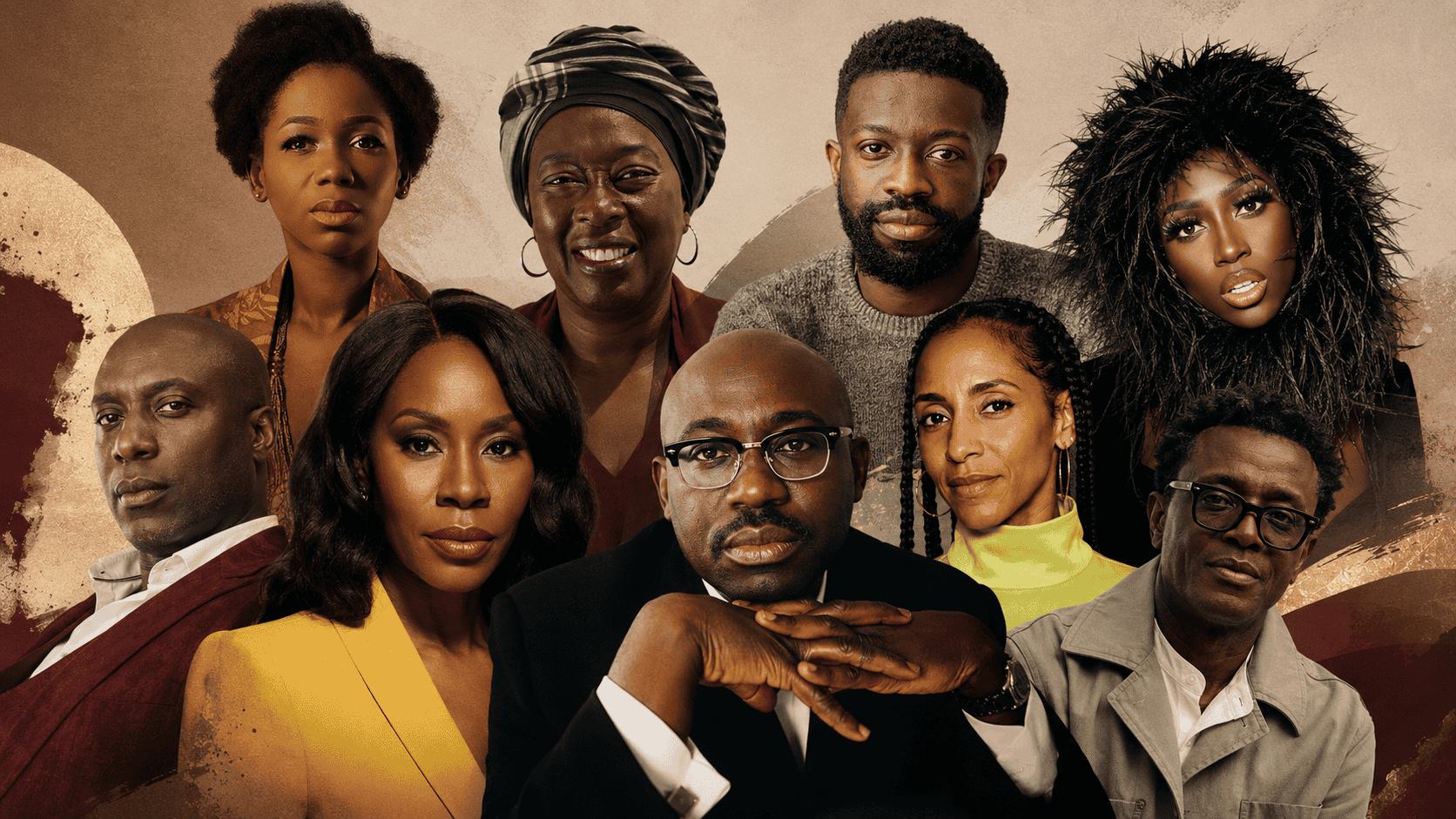
 A running list of Ghanaian-born, Ghanaian-British and Ghanaian-heritage creatives shaping culture in the UK and beyond.
There is a familiar thing that happens with Ghanaian talent abroad.
A name becomes important in British television, theatre, publishing, fashion, art, music or film. The person wins the awards, directs the major work, edits the magazine, shapes the sound, leads the room, builds the institution, or quietly becomes part of the global cultural machinery. Then somewhere along the line, Ghanaians discover or remember that Ghana is part of the story.
Sometimes they were born here. Sometimes they were raised between Ghana and Britain. Sometimes their parents carried Ghana into the homes, accents, food, names and expectations that shaped them. Sometimes the connection is partial. But it is still there.
This list is not an audit of nationalities. It is also not an attempt to claim people who have built complex lives and careers in multiple places. It is simply a reminder that Ghana’s creative footprint is bigger than what we often track from home.
The UK, in particular, has become one of the most important places where Ghanaian and Ghanaian-heritage creatives have built significant cultural careers. Some are already global names. Some are institution-builders. Some are still early enough in their journeys that knowing them now matters.
This is a running list.
Born in Ghana, Building from the UK
Ama K. Abebrese — Actress, Producer, Presenter
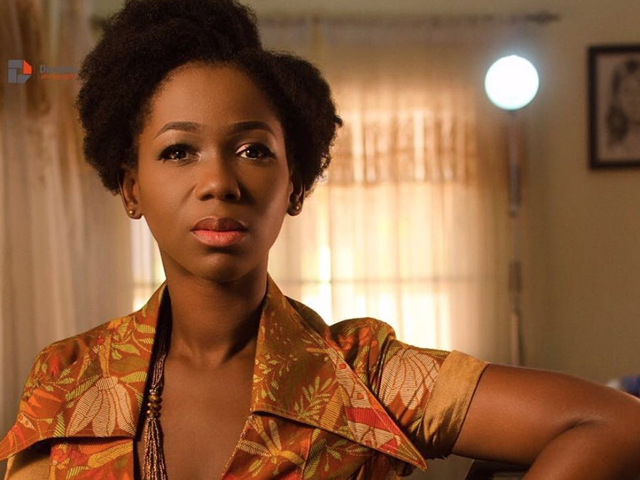
Ama K. Abebrese remains one of the most recognisable faces in Ghanaian film, but what makes her career especially important is the bridge she represents.
Born in Ghana and raised partly in the UK, she has worked across both industries in a way few Ghanaian screen figures have managed. Her career includes acting, presenting and producing, with screen credits that cut across Ghanaian cinema, international productions and African film conversations.
But beyond the performances, Ama has become one of the more important public voices on what Ghana’s film industry structurally needs. That matters because Ghana needs practitioners who understand the work and are willing to speak honestly about the conditions surrounding it. Ama K. Abebrese is both.
Sir John Akomfrah — Filmmaker, Visual Artist
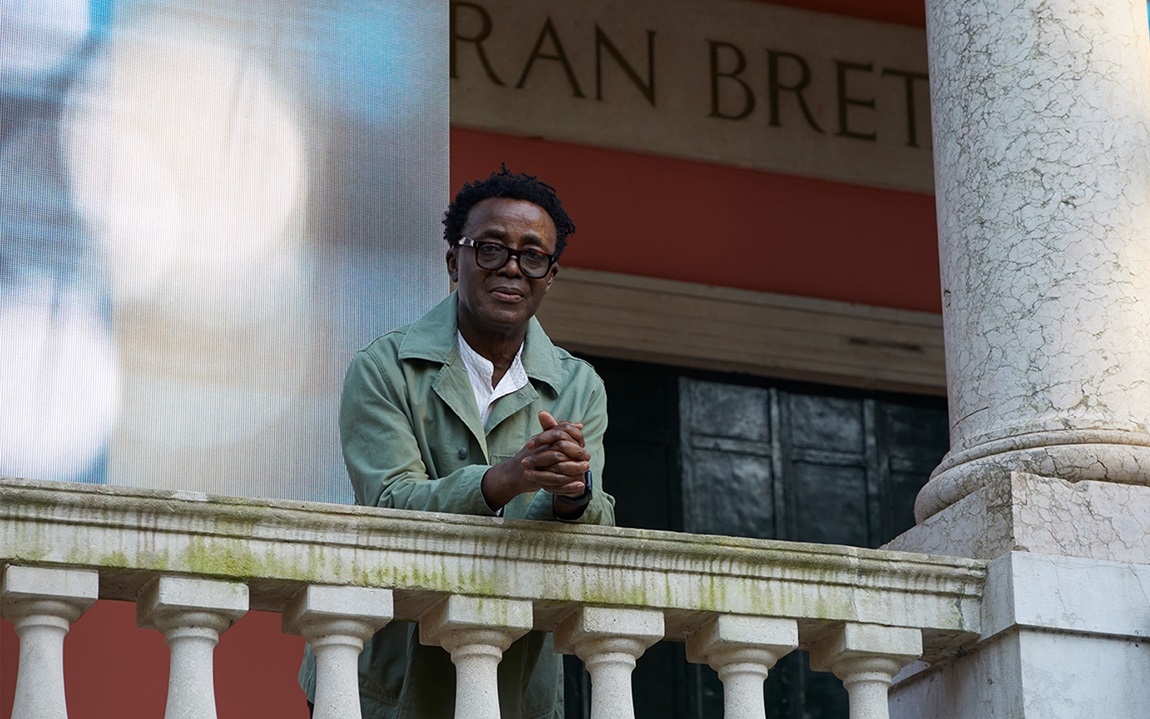
Sir John Akomfrah is one of the most significant African-born filmmakers and visual artists working anywhere in the world today. He is also one of the least discussed within Ghana’s mainstream entertainment conversation.
Born in Accra and based in London, Akomfrah’s work sits across documentary, essay film, archive, memory, migration, and large-scale video installation. He was a co-founder of the Black Audio Film Collective, the influential group formed in London in the early 1980s, whose work helped reshape the language of Black British moving-image practice.
Akomfrah’s career is a reminder that African filmmaking does not have to look one way. It does not always have to be narrative feature films, cinema releases, or familiar commercial formats. It can be archival and essayistic.
His work also raises a bigger question for Ghana: what happens to a creative mind when there is infrastructure around it?
Akomfrah’s career was not built by talent alone. It was built through institutions, funding systems, archives, museums, curators, critics, and cultural spaces that could receive and sustain the kind of work he wanted to make.
That is the lesson Ghana should be paying attention to.
Margaret Busby — Publisher, Editor, Critic
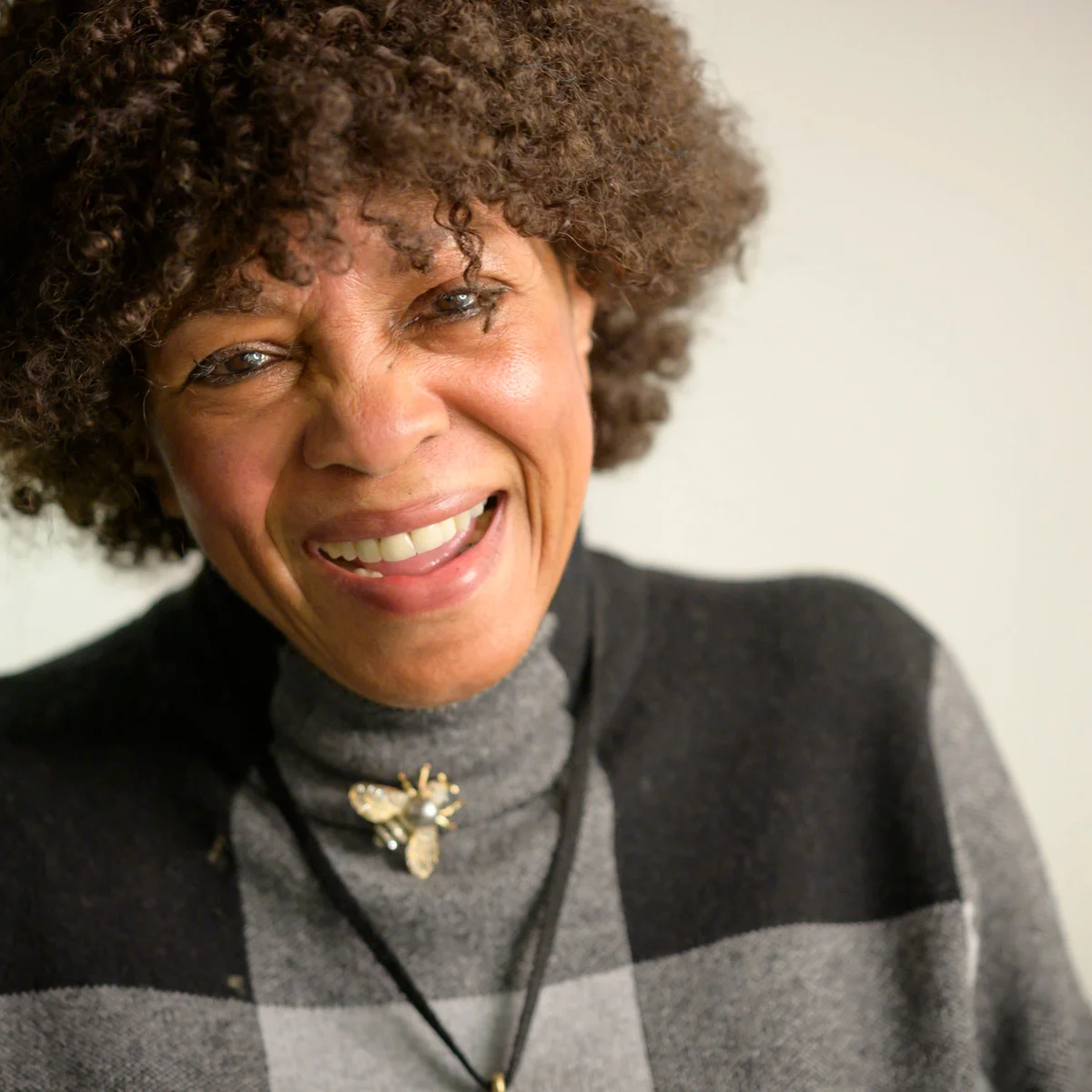
Margaret Busby is not just a Ghanaian-born creative figure in Britain. She is part of the infrastructure of Black literature itself.
Born in Ghana, Busby became Britain’s first Black woman publisher when she co-founded Allison & Busby in 1967. That alone would be enough to secure her place in history. But her work did not stop at being first. Across publishing, editing, criticism, and literary advocacy, she helped create space for Black and African writers to be published, read and taken seriously.
Her anthology Daughters of Africa, published in 1992, and its later follow-up New Daughters of Africa, remain landmark works. They gathered writing by women of African descent across generations and geographies, placing them in conversation with one another in a way that was both literary and historical.
Busby represents a kind of cultural work that is easy to overlook because it is not always visible in the way performance is visible. Editors, publishers and critics do not always become celebrities. But without them, entire bodies of work struggle to find their way into the world.
She is a reminder that creative industries are not built only by artists but also by the people who publish, commission, edit, preserve, contextualise, and circulate the work.
Yaba Badoe — Filmmaker, Writer
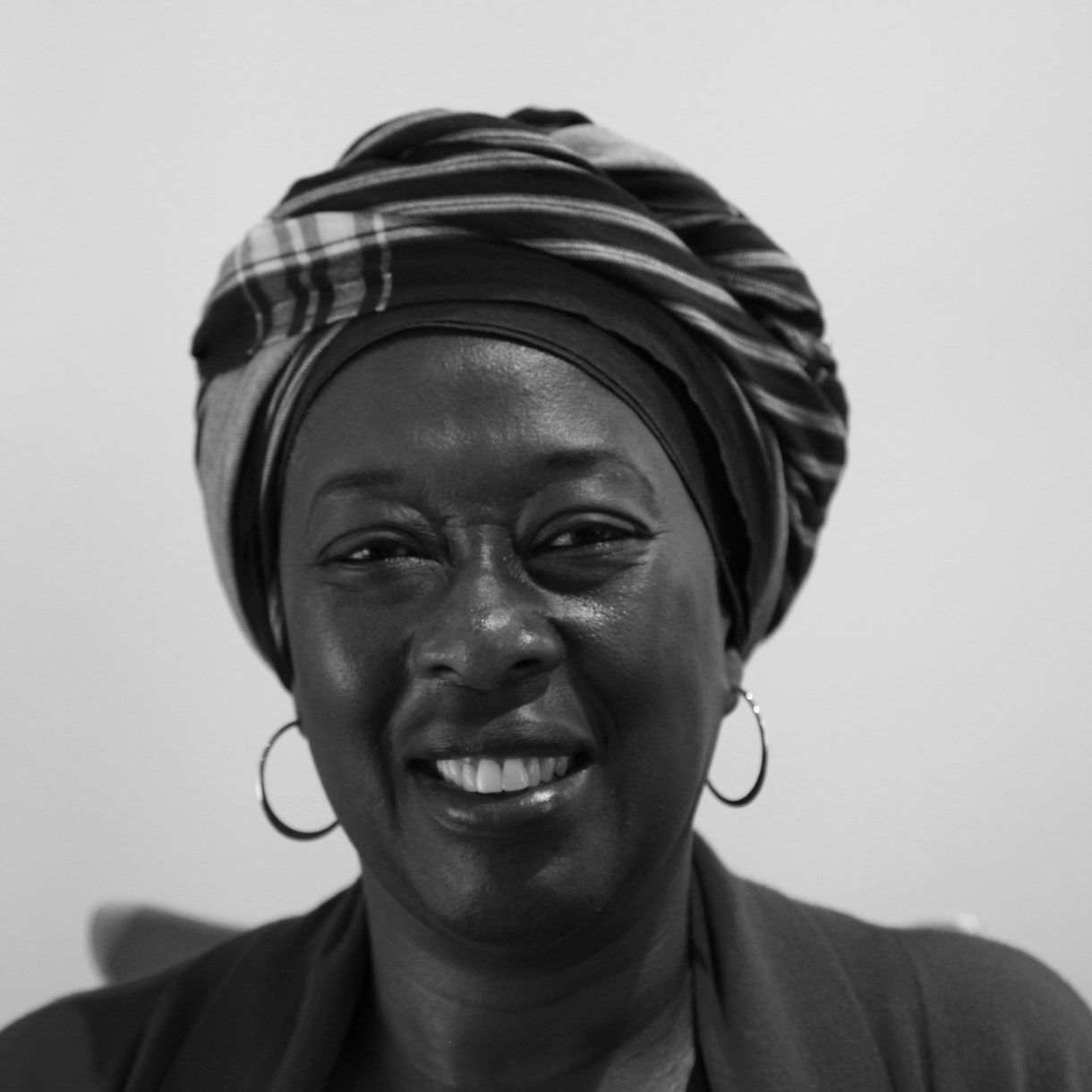
Yaba Badoe belongs to a thread of Ghanaian filmmaking that often sits outside the usual Nollywood/Ghallywood conversation.
A Ghanaian-British filmmaker and writer, her documentaries have engaged with African women, culture, social justice and histories that are often pushed to the margins. Works like The Witches of Gambaga show the kind of filmmaking that is less concerned with celebrity.
Her career matters because it complicates the way we talk about Ghanaian cinema. Ghanaian film is not only commercial drama, YouTube releases, red carpet premieres, or festival hopefuls. It also includes documentary, investigative storytelling and work that circulates through international cultural spaces.
Badoe’s work may not always be part of the loudest local entertainment conversation, but it belongs in the larger story of Ghanaian screen culture.
Edward Enninful — Editor, Stylist, Creative Director
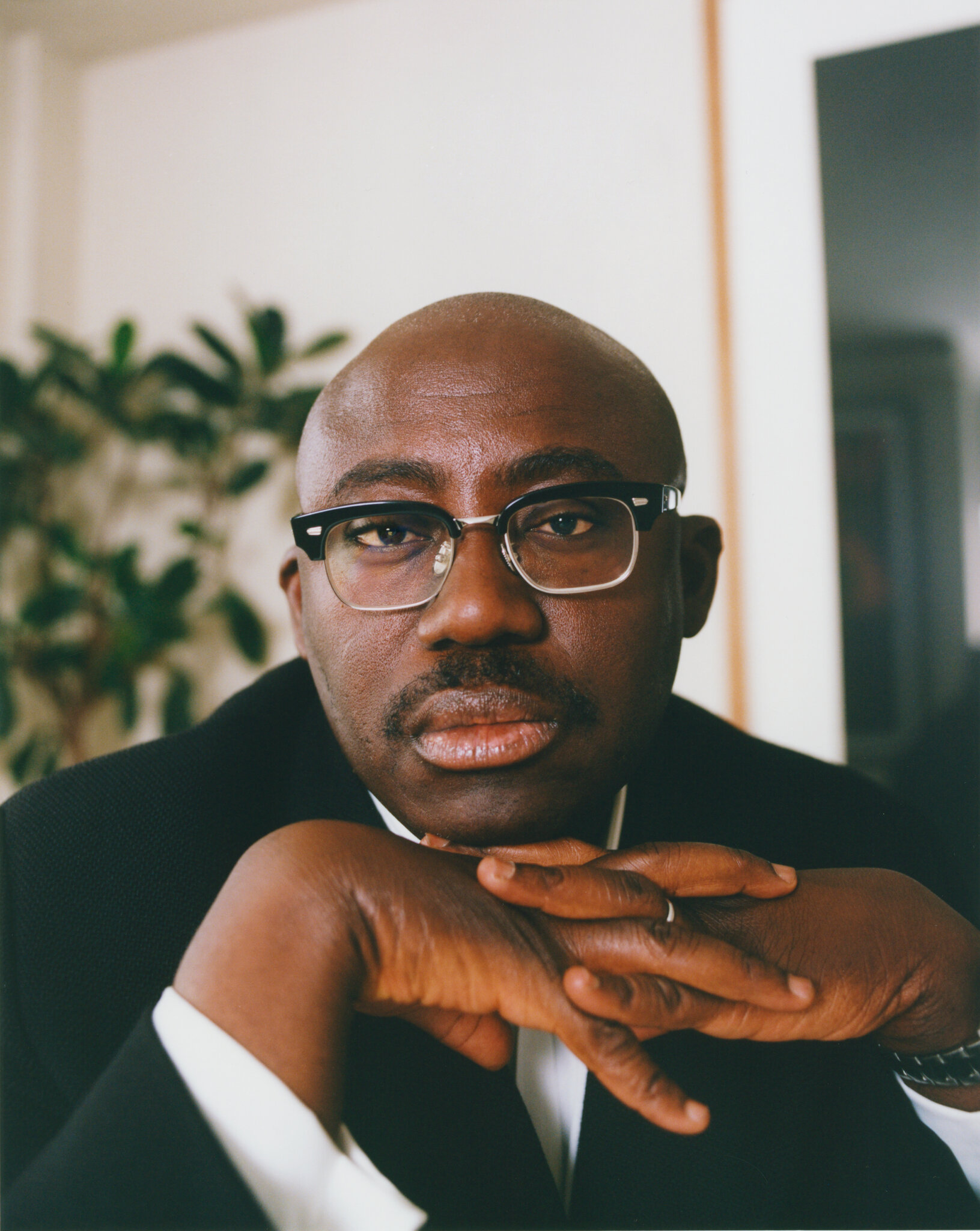
Edward Enninful’s place on this list is non-negotiable.
Born in Ghana and raised in London, Enninful became one of the most powerful fashion editors in the world. He was appointed fashion director of i-D at just 18, then went on to work with major global fashion titles before becoming editor-in-chief of British Vogue in 2017.
Enninful historically became the first man to lead British Vogue, and one of the most visible Black editorial leaders in global fashion. But the bigger story is not just the title. It is what he used the title to do.
His version of Vogue pushed conversations around race, disability, body image, age, gender, class and representation further into the centre of fashion publishing. He understood that fashion is never just about clothes. It is about who gets to be seen, who gets to be styled as powerful, who gets access to taste-making institutions, and who gets left outside the frame.
For Ghana, Enninful’s career is also a reminder that the creative economy is not limited to music and film. Fashion editors, stylists, image-makers, and creative directors shape culture at the highest levels too.
Kobna Holdbrook-Smith — Actor
Kobna Holdbrook-Smith is one of those actors whose career has moved steadily across stage, screen, and voice work, building real weight over time.
Born in Accra and based in Britain, he has worked across theatre, television, and film, but his Olivier Award-winning performance in Tina: The Tina Turner Musical gave him one of the clearest markers of his stage power.
His career is important because it shows the value of deep craft. Not every major creative career announces itself through instant global fame. Some are built over years through consistent work, range and respect inside the industry.
Ghanaian Heritage, Born or Raised in the UK
Michaela Coel — Writer, Director, Actor
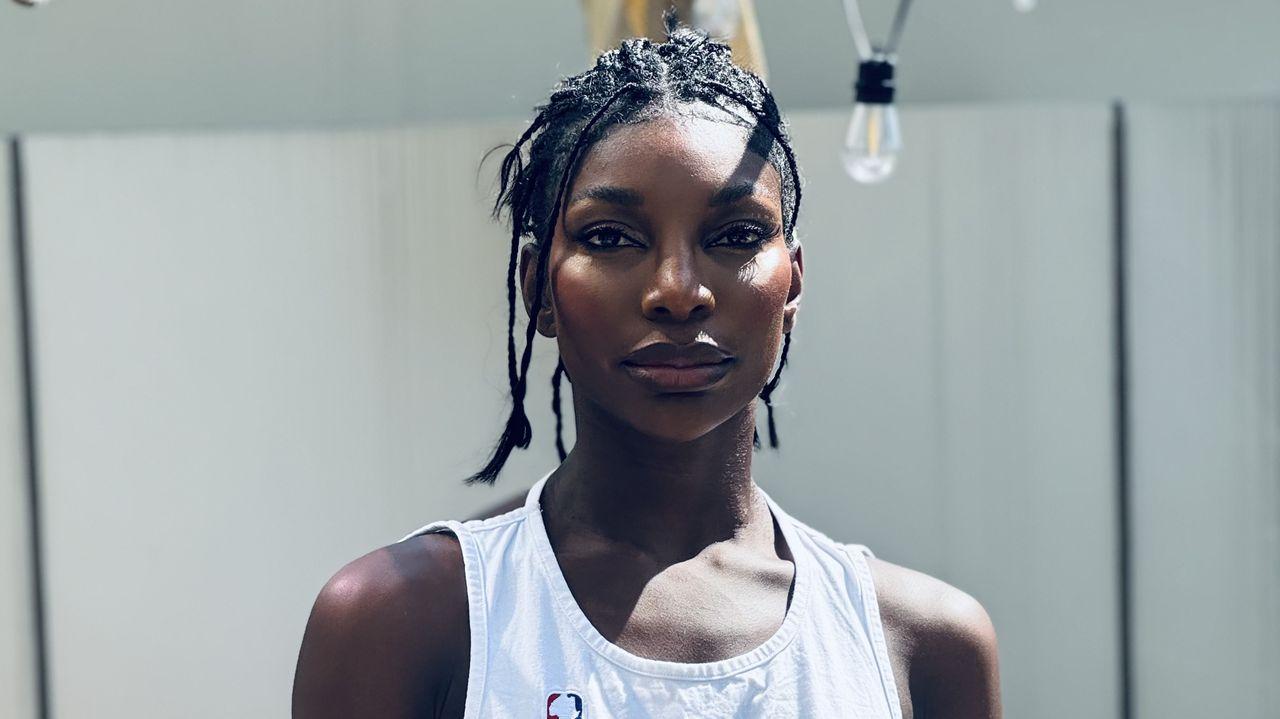
Michaela Coel is one of the most consequential Ghanaian-heritage creatives in British television.
Born in London to Ghanaian parents, Coel first broke through with Chewing Gum, the sharp, chaotic and original comedy series that established her as a distinctive voice. But it was I May Destroy You that turned her into one of the defining television creators of her generation.
She created, wrote, co-directed and starred in the series, which became one of the most acclaimed television works of the last decade. The awards matter. The reviews matter. But the ownership story may matter even more.
Coel reportedly turned down a major offer from Netflix because the deal did not give her meaningful ownership of her own work. She later made the show with the BBC and HBO, with greater creative control.
That decision has become one of the clearest modern case studies in creative ownership. It is especially relevant for African creatives because we often talk about visibility as if visibility is the final prize.
It is not.
Visibility without ownership can still leave the creator powerless. Coel’s career is a reminder that the deal behind the work can be just as important as the work itself.
Paapa Essiedu — Actor
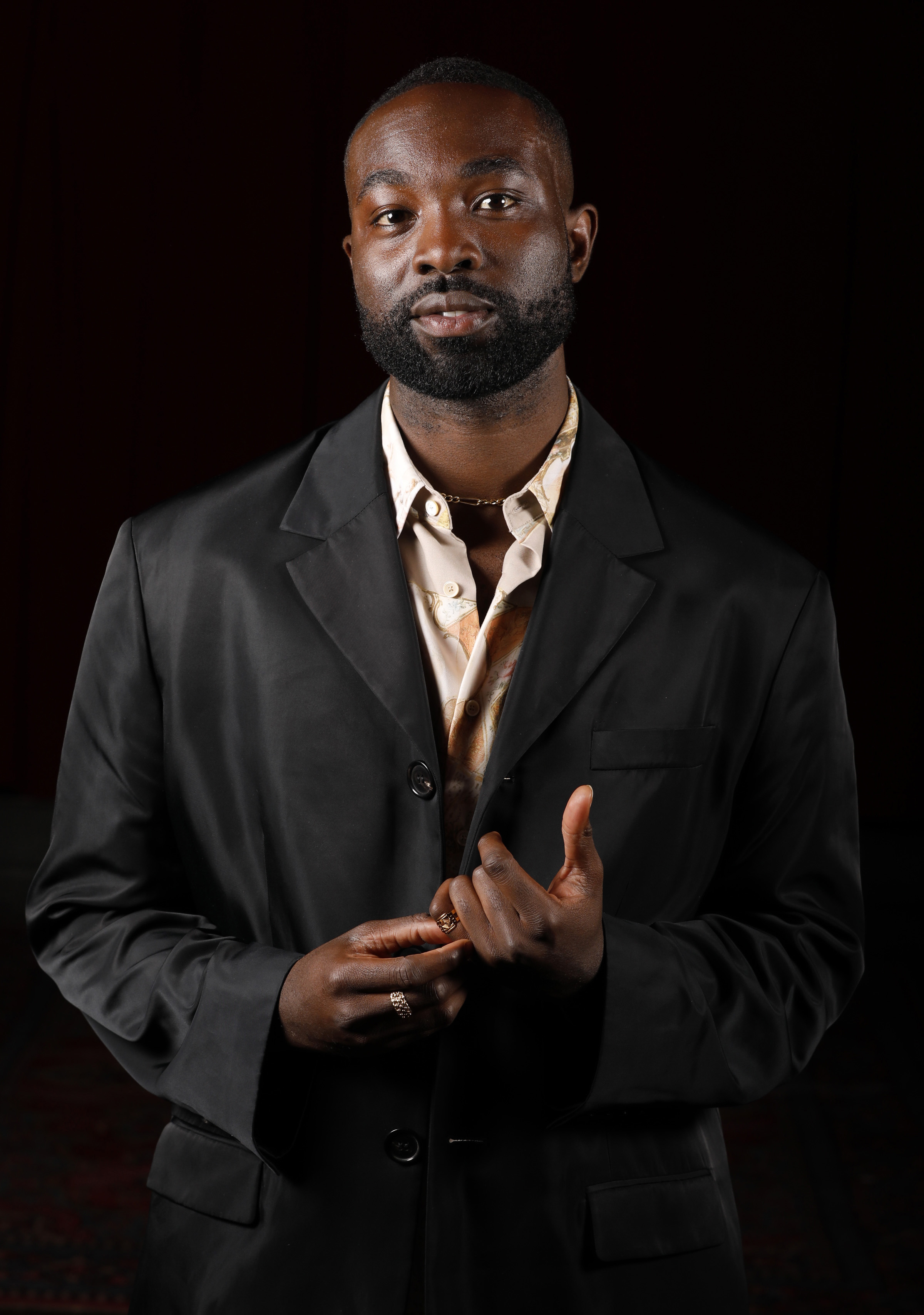
Paapa Essiedu has quietly built one of the most impressive stage and screen careers of his generation.
Born in London to Ghanaian parents, Essiedu made history in 2016 when he played Hamlet for the Royal Shakespeare Company, becoming the first Black actor to take on the role for the RSC. That alone would make him significant. Shakespeare remains one of the great gatekeeping institutions of British theatre, and Hamlet is still treated as one of its ultimate tests.
But Essiedu has not stayed in one lane.
His role in I May Destroy You introduced him to a wider global television audience. His later work across stage and screen has shown an actor with range, restraint and presence. With his casting as Severus Snape in HBO’s upcoming Harry Potter television series, his visibility is entering another phase.
Essiedu is the kind of actor whose name Ghanaians should know before the rest of the world fully catches up, even though the rest of the world is already catching up.
Heather Agyepong — Artist, Actor, Photographer
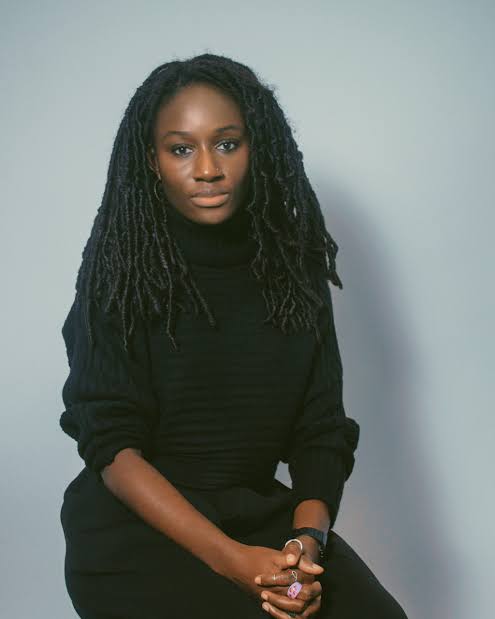
Heather Agyepong is the name that inspired this list.
A British-Ghanaian multidisciplinary artist and actor, Agyepong’s work moves between photography, performance, theatre and visual art. Her practice has explored mental health, the diaspora, invisibility and the archive, often using the self as a way to examine larger social and historical questions.
As a visual artist, her work has entered serious institutional spaces, including the National Portrait Gallery. As an actor, she received an Olivier nomination for her role in Shifters, one of the most talked-about British theatre productions of recent years.
That range is important.
Agyepong is not simply moving from one creative field to another because she can. Her work seems to be part of one larger practice: how Black women are seen, remembered, misread, archived and allowed to take up space.
A career that can hold gallery walls and theatre stages at the same time deserves attention.
Adjoa Andoh — Actor
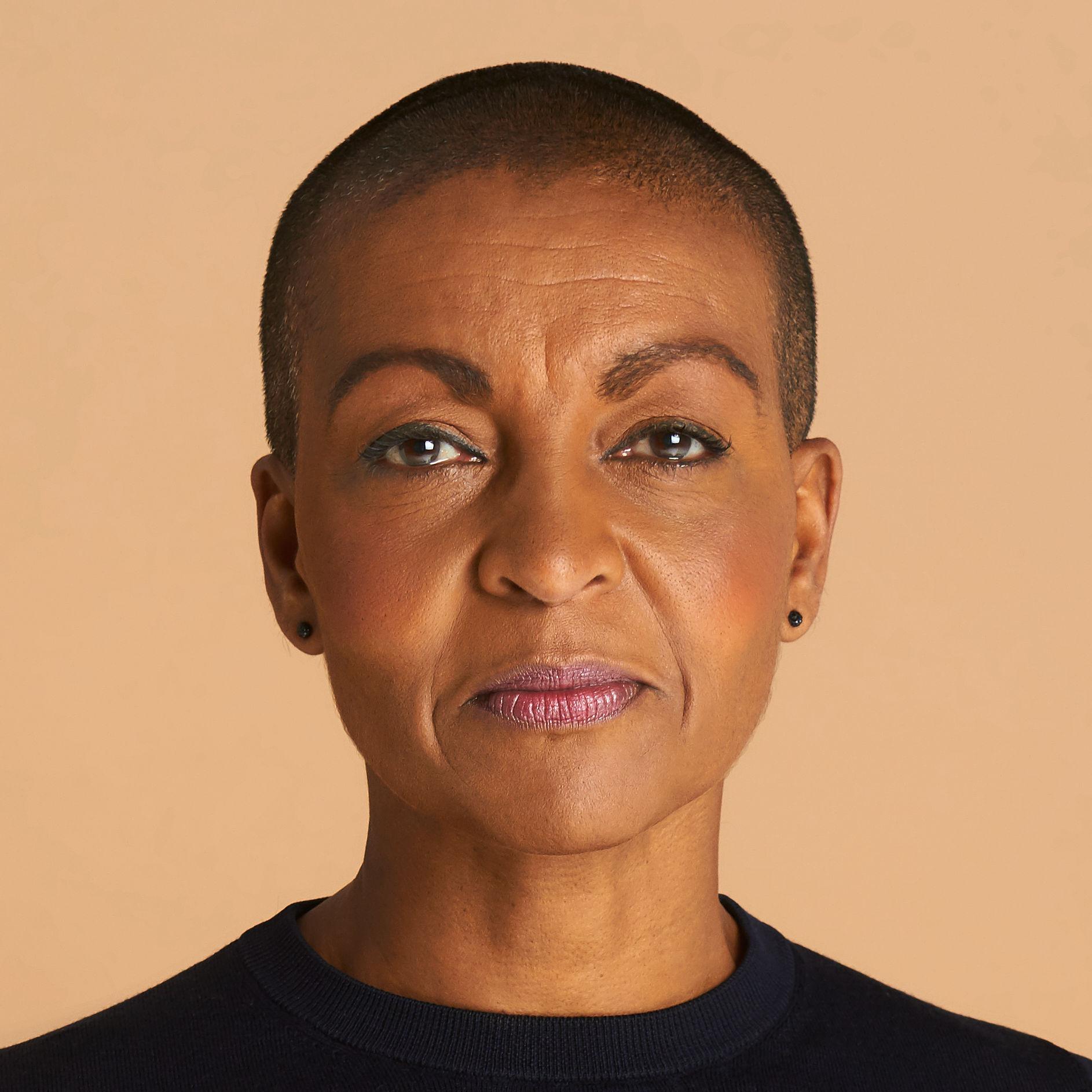
Adjoa Andoh has had the kind of career that only looks sudden to people who discovered her through Bridgerton.
To global audiences, she is now Lady Danbury, one of the most memorable characters in Netflix’s Bridgerton universe and its spinoff Queen Charlotte. But long before that, Andoh had already built a serious career across British theatre, television, film, radio and audiobooks.
She has worked with the Royal Shakespeare Company, the National Theatre and several major British screen productions. She has also built a significant body of work as an audiobook narrator, a space that rarely gets the same attention as screen acting but requires its own technical discipline and performance intelligence.
Andoh’s career is a useful reminder that longevity is also a form of excellence.
Not every creative career is defined by one breakout moment. Some are built across decades, through range, reliability, craft and the ability to remain relevant as the industry changes.
Amma Asante — Director
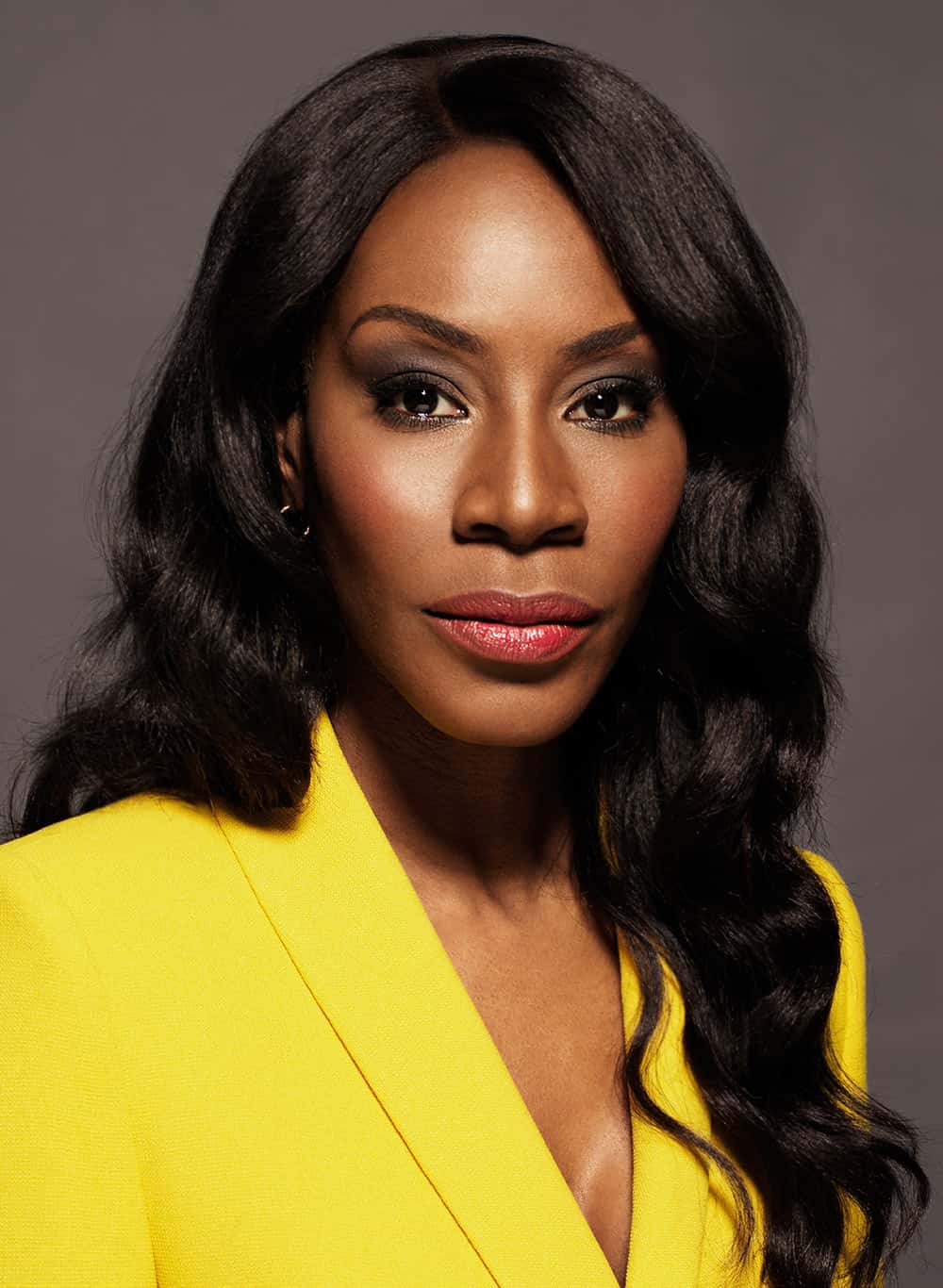
Amma Asante is one of the most important British-Ghanaian filmmakers of her generation.
Born in London to Ghanaian parents, Asante has built a body of work around historical dramas that place Black women, Black history and politically charged love stories at the centre of mainstream cinema. Her films include Belle, A United Kingdom and Where Hands Touch.
That matters because period drama has long been treated as one of the most protected spaces in British film and television. For years, it was a genre where Black presence was either erased, marginalised or reduced to the background. Asante’s work pushed against that tradition.
Her films insist that Black people did not suddenly arrive in history when contemporary Britain decided to notice them. They were already there — loving, negotiating, resisting, governing, surviving and shaping the world around them.
Professer Afua Hirsch — Award-winning Journalist, Author, Filmmaker
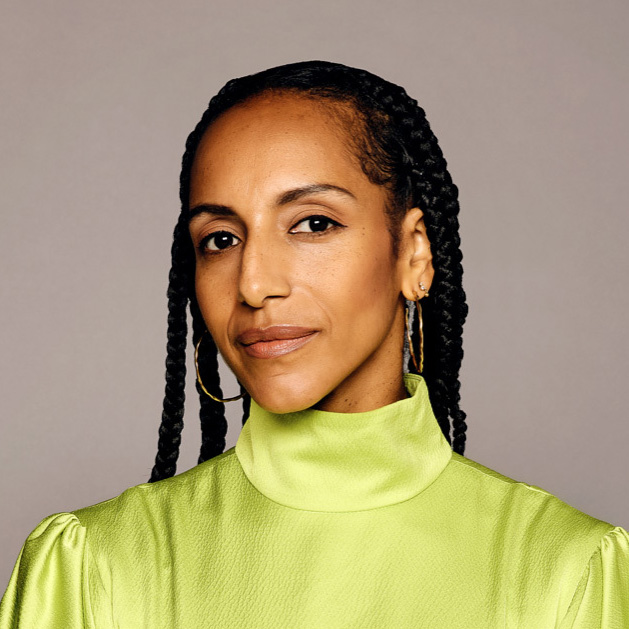
Afua Hirsch has spent much of her career making questions of race, identity, empire and belonging unavoidable in mainstream British media.
Of Ghanaian heritage through her mother, Hirsch is a Professor of Journalism at the University of Southern California, author, broadcaster and cultural commentator whose book Brit(ish) became one of the most widely read recent works on race and identity in modern Britain.
Her work sits at the intersection of journalism, politics and culture. She has written and spoken extensively about colonial history, Black British identity, Ghana, Africa and the contradictions of belonging to more than one place at once.
Hirsch belongs on this list because the Ghanaian-British creative story is not only told through films, songs and performances. It is also told through argument, criticism and public thought.
Culture needs artists. It also needs people who can interpret the world those artists are working inside.
Ozwald Boateng — Designer
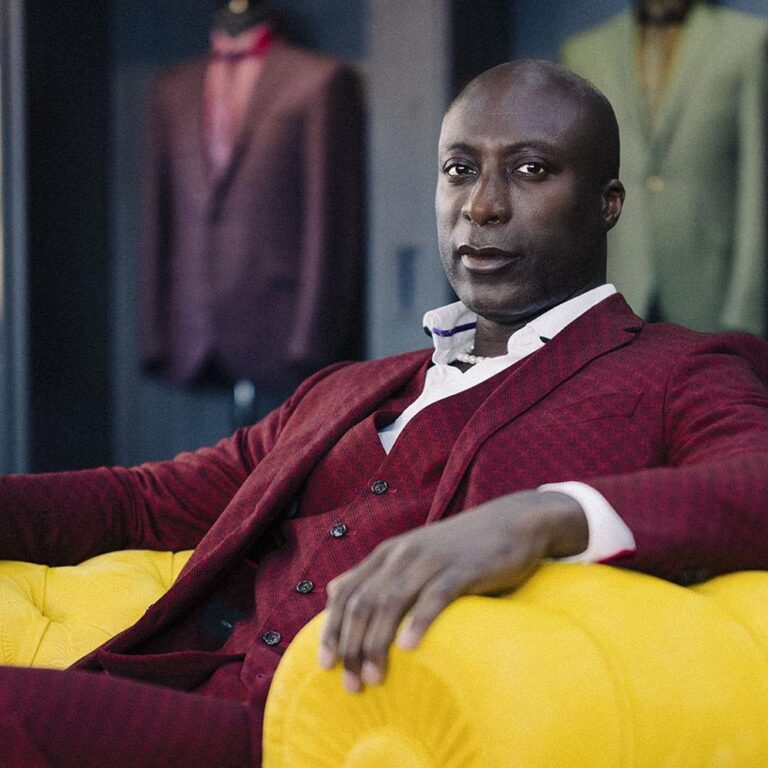
Ozwald Boateng changed the language of British tailoring.
Born in London to Ghanaian parents, Boateng became one of the most important Black designers in British fashion, especially through his work on Savile Row. He brought colour, confidence and a more contemporary attitude into a tailoring tradition often associated with whiteness, conservatism and old British power.
His career is significant because he did not simply enter an institution. He altered the mood of it.
Boateng’s work made space for a different kind of masculine elegance, one shaped by sharp tailoring but also by African colour, movement and boldness. He became part of the establishment without disappearing into it.
For Ghanaian creatives, that is an important lesson. Entering global spaces should not always require flattening the cultural codes that shaped you.
Lynette Yiadom-Boakye — Painter, Writer
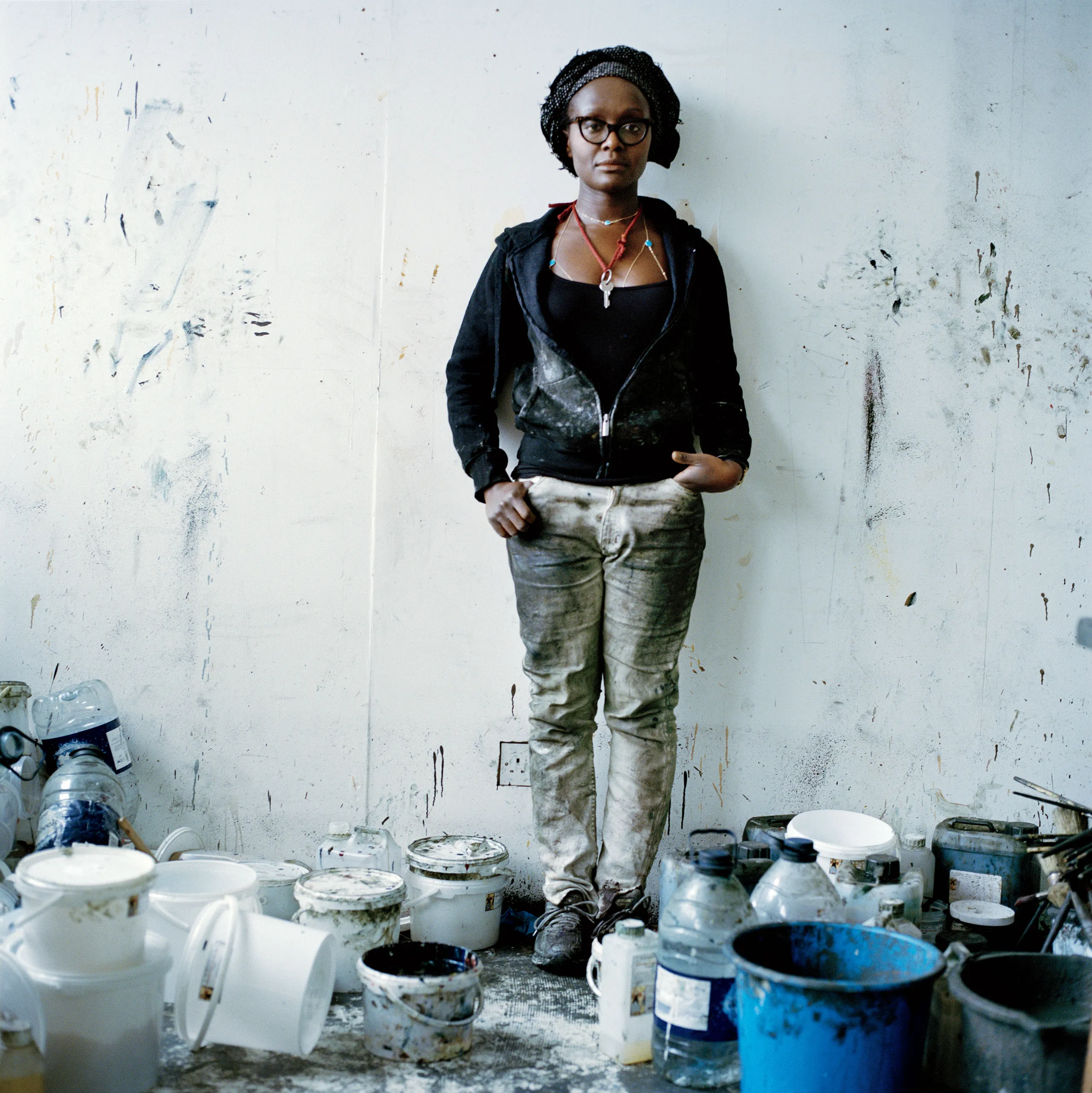
Lynette Yiadom-Boakye is one of the most significant contemporary painters of Ghanaian heritage.
Born in London to Ghanaian parents, she is best known for her portraits of fictional Black figures. Her paintings are not portraits of real sitters, but imagined people who feel complete, private and self-possessed. They do not perform explanation for the viewer. They simply exist.
That restraint is part of the power of her work.
Yiadom-Boakye has been shortlisted for the Turner Prize and has had major institutional recognition, including a major exhibition at Tate Britain. Her work has helped shift how Black figures are seen within contemporary painting — not as symbols alone, not as evidence, not as educational material, but as subjects with interiority.
In a cultural moment where Black representation is often expected to explain itself, Yiadom-Boakye’s paintings refuse to over-explain. That is its own kind of freedom.
Ekow Eshun — Writer, Curator, Broadcaster
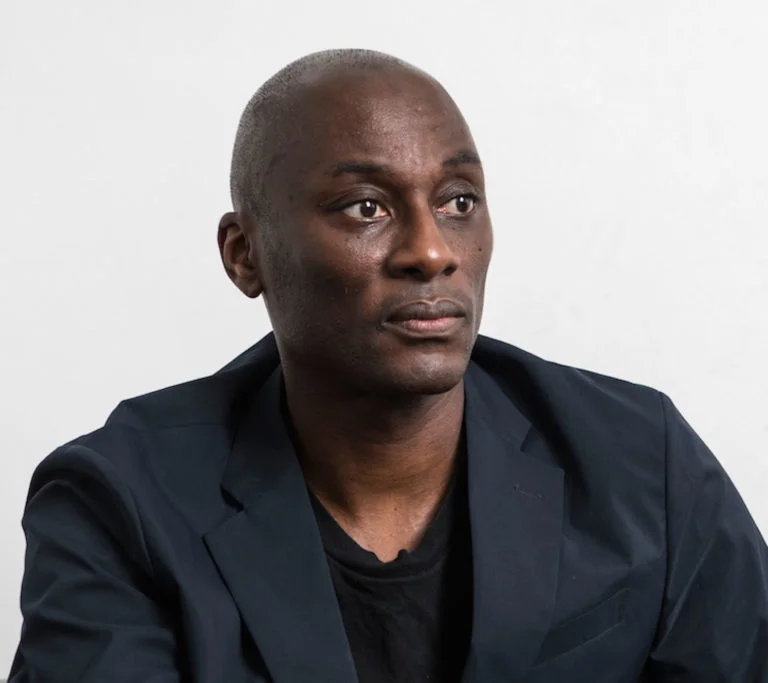
Ekow Eshun is a reminder that culture is shaped not only by creators, but by curators and interpreters.
A British-Ghanaian writer, broadcaster and curator, Eshun became the first Black editor of a major UK magazine when he edited Arena in the 1990s. He later became the first Black director of a major UK arts institution when he led the Institute of Contemporary Arts in London.
That kind of institutional presence matters.
Eshun’s work has moved across publishing, television, visual art and public culture. He has written books, curated major exhibitions and helped frame conversations around Black art, identity, memory and imagination.
For Ghana, his career raises a useful question: where are our curators, editors and institutional thinkers being developed?
Creative ecosystems do not survive on artists alone. They need people who can build contexts around the artists.
Larry Achiampong — Artist, Filmmaker, Musician
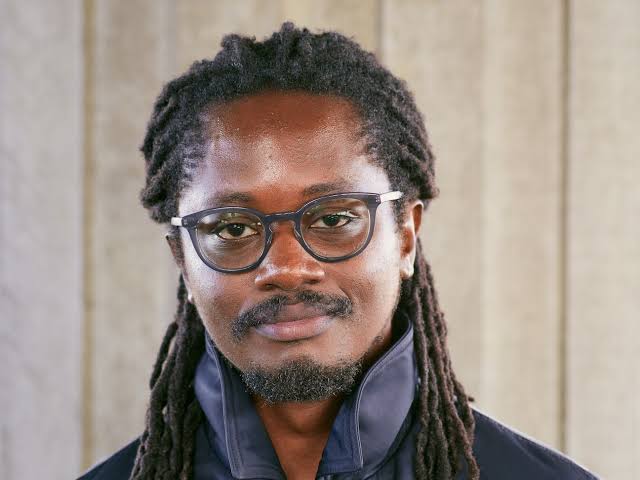
Larry Achiampong’s work sits across film, sound, installation, gaming culture, archives and speculative imagination.
A British-Ghanaian artist, filmmaker and musician, Achiampong has built a practice that examines migration, class, postcolonial memory, technology and identity. His work is not easy to place in one box, and that is part of what makes it important.
He represents a generation of artists for whom the boundaries between film, art, sound and digital culture are increasingly porous. Achiampong’s work can live in galleries, festivals, screenings and public commissions. It can speak through image, music, voice and world-building.
That kind of multidisciplinary practice is especially relevant now, because African creative industries are still too often organised in narrow categories. Film here. Music there. Art somewhere else. But many of the most interesting creatives, like Achiampong are working between categories.
Caleb Azumah Nelson — Writer, Photographer
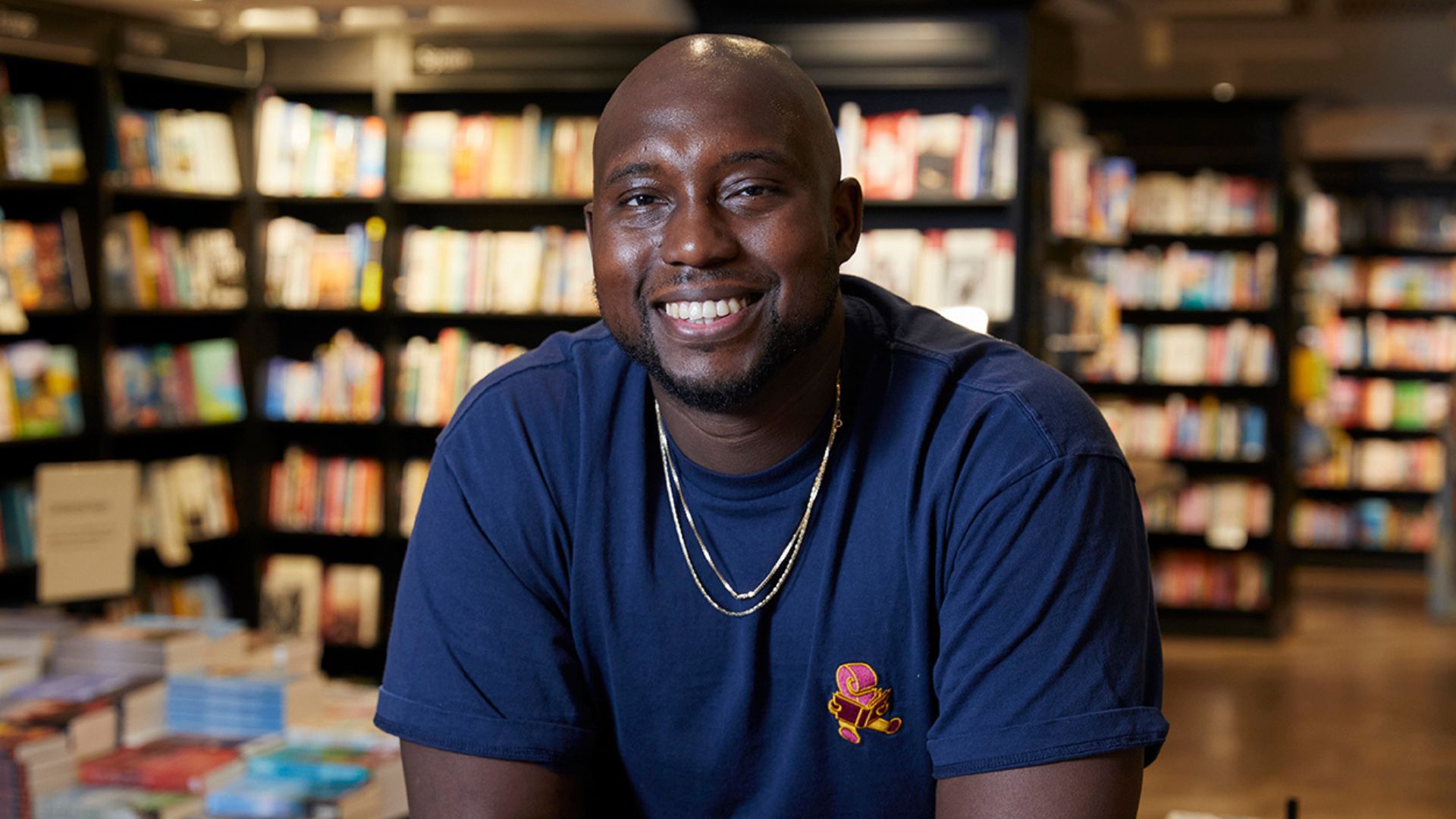
Caleb Azumah Nelson is one of the most important younger British-Ghanaian literary voices.
A writer and photographer from South East London, his debut novel Open Water became a major literary success, followed by Small Worlds, a novel that moved through family, music, memory, migration and Ghanaian diasporic life.
Nelson’s writing is intimate, lyrical and deeply concerned with what it means to move through the world as a young Black person trying to love, create and belong.
His work is also important because it understands music as more than background. In Small Worlds, music becomes memory, inheritance and emotional architecture. That is a deeply Ghanaian and diasporic idea: that music is not just something people listen to, but something people live inside.
Fuse ODG — Musician, Cultural Advocate
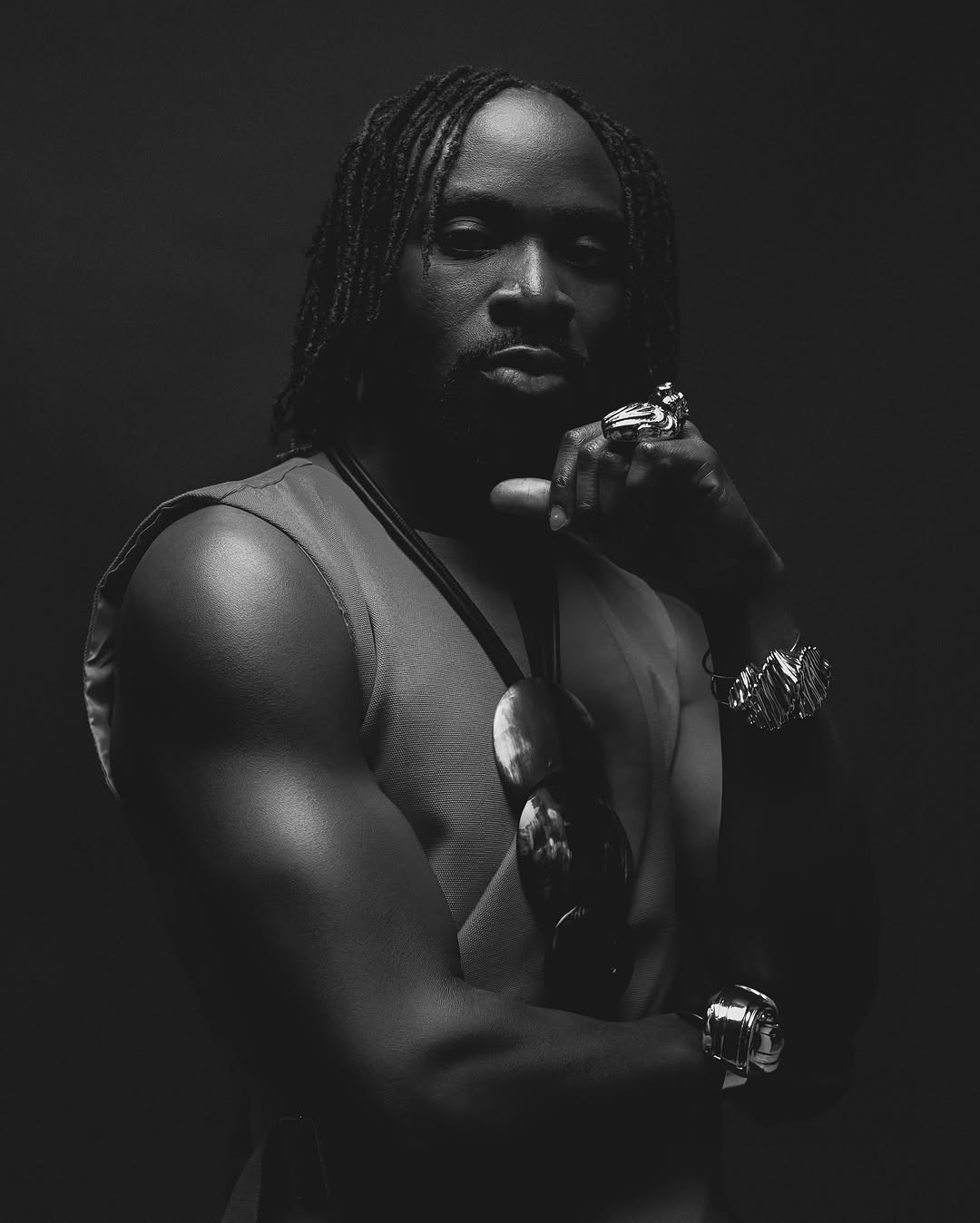
Fuse ODG helped make Ghana feel visible inside a particular moment of UK pop and Afrobeats culture.
Born in London to Ghanaian parents, Fuse became one of the defining names of the Azonto-era crossover, with songs that helped carry Ghanaian dance, energy and language into wider UK and global spaces. But his importance is not only musical.
His “T.I.N.A.” positioning — This Is New Africa — was part of a broader attempt to challenge the way Africa was being represented. At his best, Fuse was not only making hits. He was trying to reshape the image of Africa in the global imagination.
That distinction matters.
African music’s global rise has often been discussed through sound, charts and streams. Fuse’s contribution also belongs to the conversation around narrative. Who gets to define Africa? Who profits from old stereotypes? Who builds new images?
Fuse ODG may not be the only person asking those questions, but he has been one of the more visible Ghanaian-British artists to do so.
JAE5 — Producer
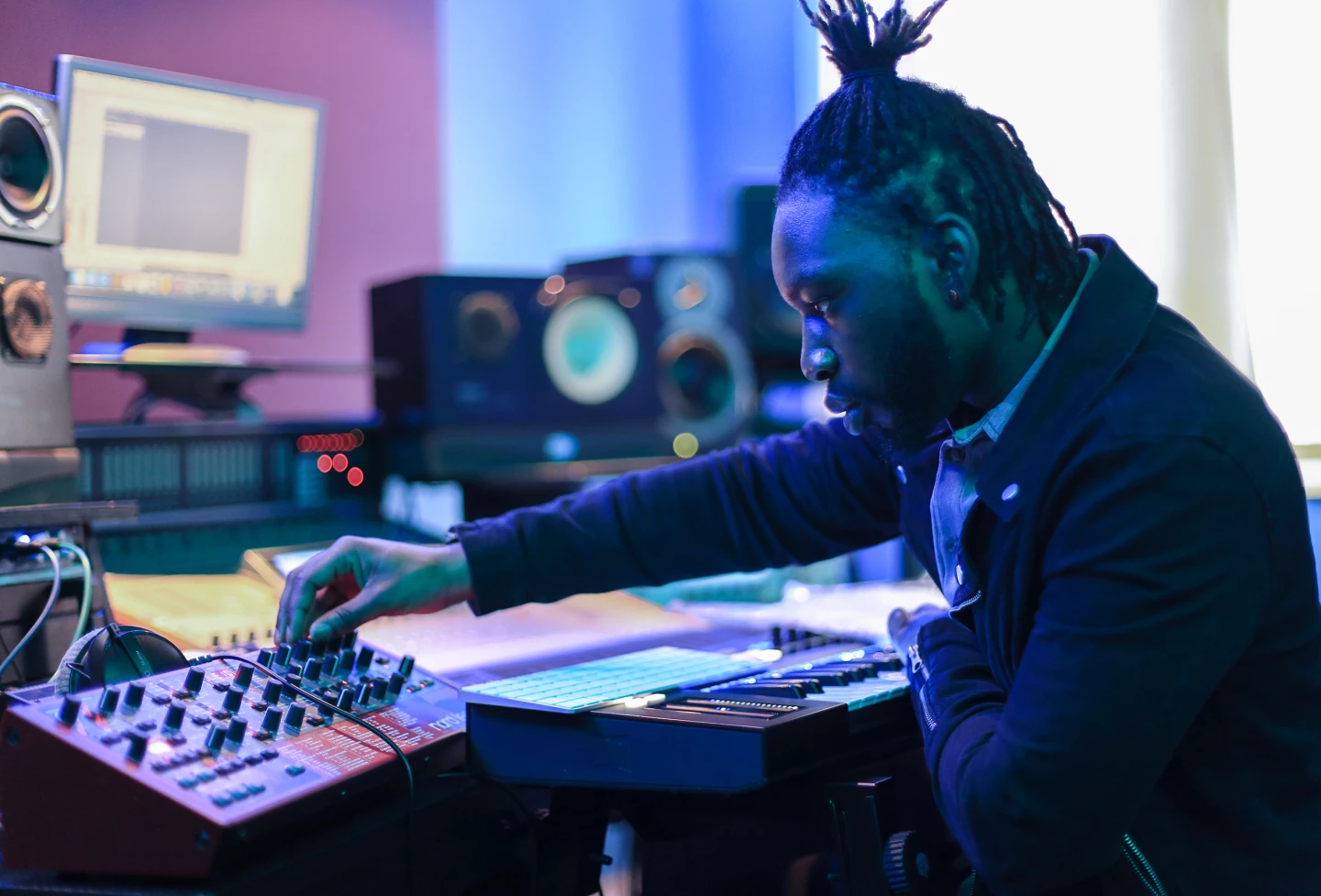
JAE5 is one of the clearest examples of Ghanaian-heritage creative power operating behind the scenes.
A British-Ghanaian producer from East London, he has helped shape the sound of UK rap, Afroswing and Afrobeats-influenced pop through his work with artists including J Hus, Dave, Burna Boy, NSG, Skepta and Rema.
Producers are often under-discussed in African entertainment writing, especially when they are not front-facing artists. But JAE5’s career shows how much cultural movement can be shaped from the studio.
His sound sits between worlds: London street music, Afrobeats, dancehall, rap, melody and Ghanaian sensibility. That hybrid language has become central to the sound of modern Black British music.
Ghanaian creative influence is not always on the microphone. Sometimes it is in the beat.
Bree Runway — Musician, Performer
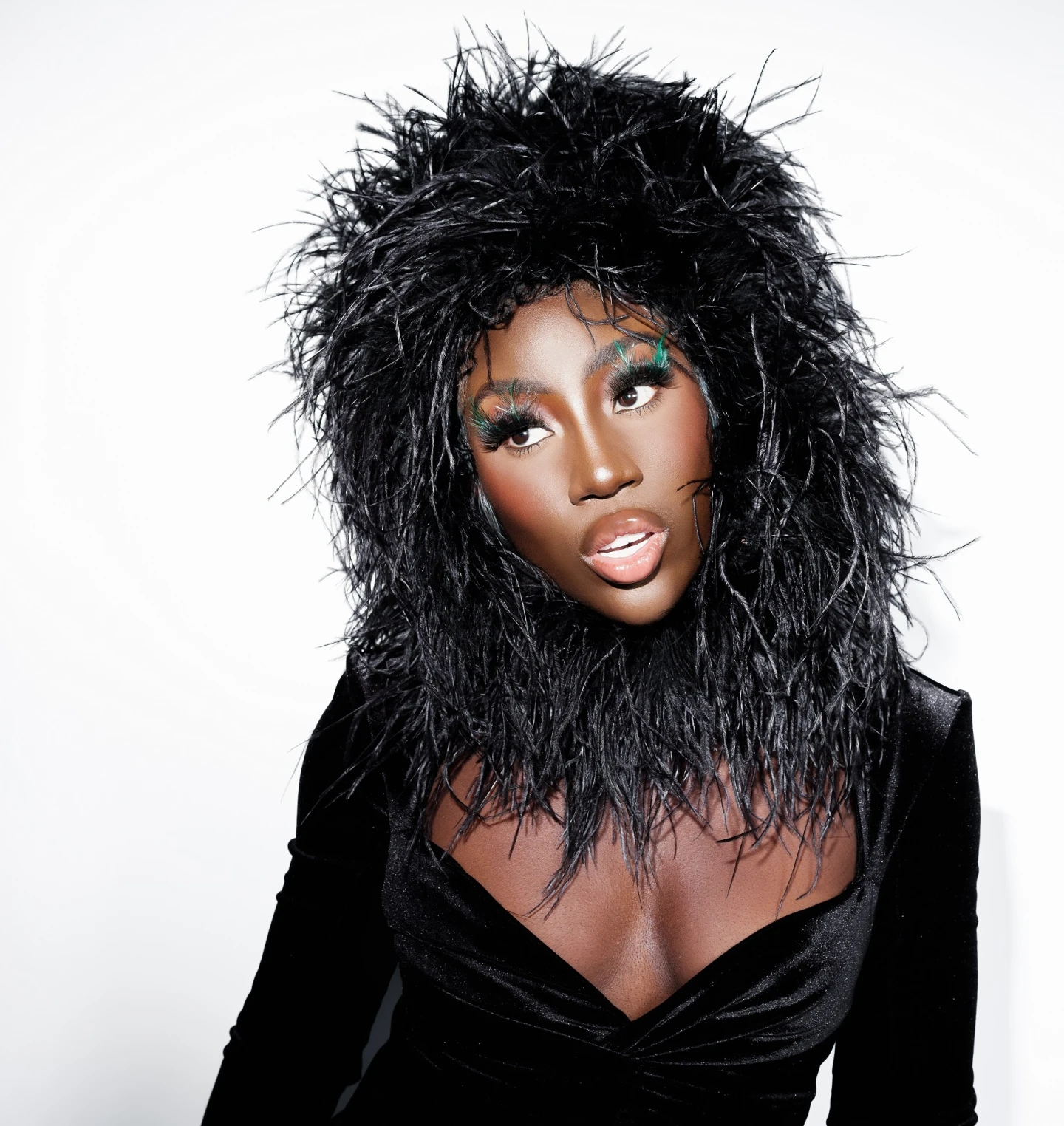
Bree Runway belongs to a generation of Ghanaian-heritage artists refusing to be musically small.
Born and raised in Hackney, with Ghanaian roots, Bree has built a career around pop, rap, fashion, performance and visual identity. Her work is bold, high-gloss and intentionally difficult to reduce to one category.
That is precisely why she matters.
For years, Black British women in music have been forced into limited lanes: soul, R&B, backing vocals, feature verses, or marketable versions of pain and resilience. Bree Runway’s work pushes against that. She wants spectacle and glamour. She wants the full pop-star scale.
That ambition is important.
African and diasporic creatives are too often praised only when they are humble, raw, stripped down or “authentic” in ways the industry finds comfortable. Bree Runway’s work insists on something louder.
One to Watch
Nana-Kofi Kufuor — Playwright, TV Writer
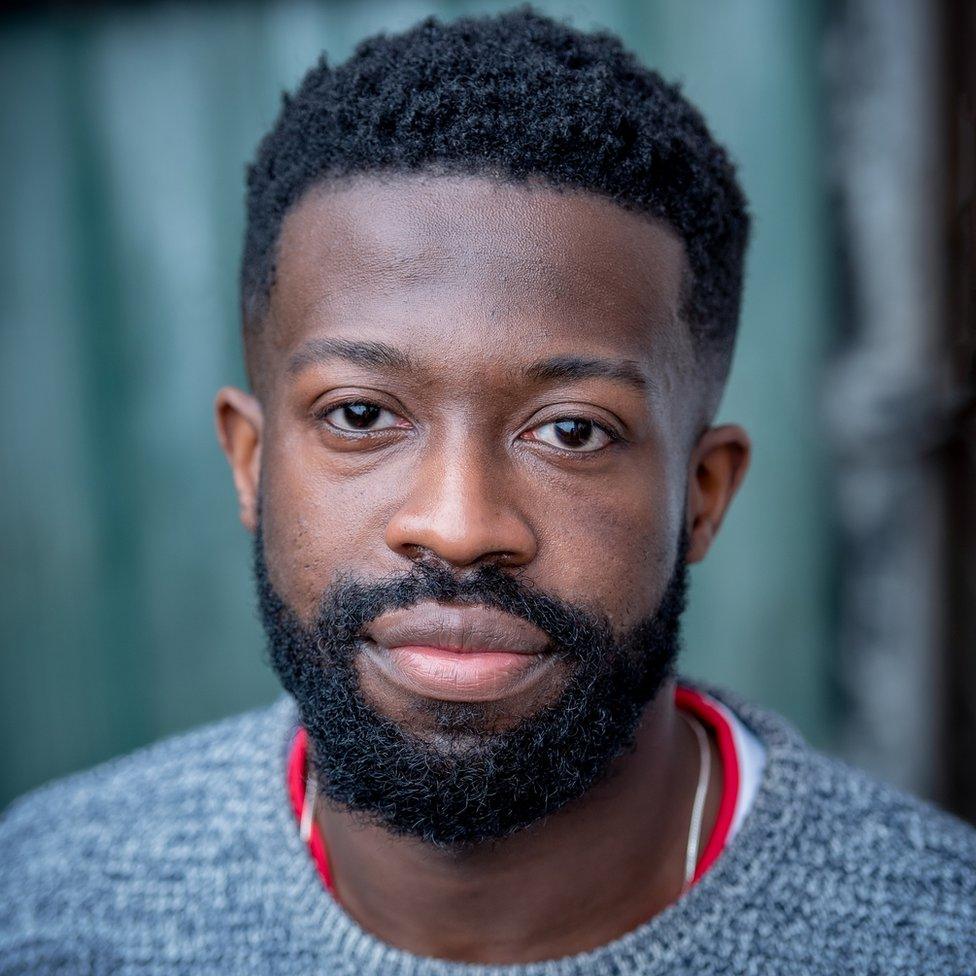
Nana-Kofi Kufuor is one of the freshest names here, and he is one to watch.
A British-Ghanaian playwright and TV writer from Stockport, he won the Channel 4/New Writing North award for his series Dana and has worked across British television writing spaces. He is also part of We Are Parable’s 2026 Momentum cohort, a Channel 4 and Sony Pictures Television-backed development programme for Black UK filmmakers.
That does not yet put him in the same career category as the more established names on this list. But that is exactly the point.
Kufuor represents a younger generation of Ghanaian-heritage writers moving through British television at a time when global demand for Black stories remains high, but access to ownership, authorship, and long-term career infrastructure is still uneven.
Why This List Matters
The point of this list is not to brag about the best Ghanaian talents out there in the world.
It is not enough to say, “Look at all these Ghanaians doing well abroad,” and leave it there. That’s very easy. The more useful question is: what made these careers possible?
Across this list, a pattern appears.
The talent is Ghanaian, Ghanaian-British, or Ghanaian-heritage. But the infrastructure that built them is often British, European, or American.
That does not take anything away from the creatives. If anything, it shows how much talent can do when there are systems around it.
It should also make Ghana uncomfortable.
Because if Ghana can produce the roots, the names, the families, the cultural memory, the sensibility and the talent, then Ghana should also be able to build more of the infrastructure that helps that talent thrive at home.
Creative industries are built by institutions, ownership structures, exhibition spaces, publishers, funders, critics, producers, curators, editors, studios, and platforms that know how to turn talent into business and legacy.
The other question is whether Ghana is willing to build the systems that allow more of that talent to become visible, viable, and historically important from home, too.