

As the 2026 Tribeca Festival opens in New York, we are watching out for the African films that made it to North America’s major festival stages.
What does this say about the global film industry’s growing attention to African storytelling?
The 2026 Tribeca Festival begins today, June 3, in New York, running until June 14. This year’s programme includes several African and Africa-linked titles across feature documentaries, narrative films, animation and shorts, continuing a wider pattern of African cinema gaining stronger visibility on the international festival circuit.
Tribeca’s 2026 film programme describes its main slate as a space for “politically, culturally and socially relevant films from diverse storytellers,” a description that fits many of the African titles selected this year.
Among the standout selections is Crocodile.
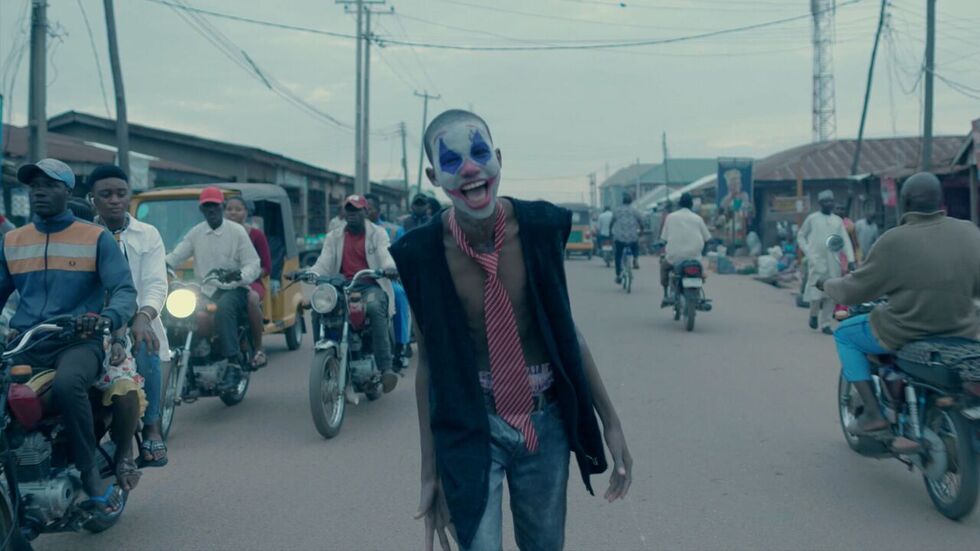
Crocodile is a Nigeria–New Zealand feature documentary directed by The Critics and Pietra Brettkelly. Set in Kaduna, Nigeria, the film follows a group of young people who turn a backyard into a sci-fi universe using a single phone and their imagination.
Shot over thirteen years, the documentary traces the rise of The Critics, the Kaduna-based filmmaking collective that gained international attention for their resourceful homemade science-fiction films. At Tribeca, Crocodile screens in the Viewpoints section as a North American premiere.
That selection alone says something important. African cinema is often discussed through the language of scarcity: low budgets, limited infrastructure, weak distribution, poor exhibition. Crocodile complicates that story.
It shows how imagination, community and digital access can create a filmmaking culture even where formal industry structures are limited. It is not simply a story about young Nigerians making films with few resources but a story of ambition and the refusal to wait for permission.
Also screening in Viewpoints is One Woman One Bra, a Kenya–Nigeria feature narrative written and directed by Vincho Nchogu.
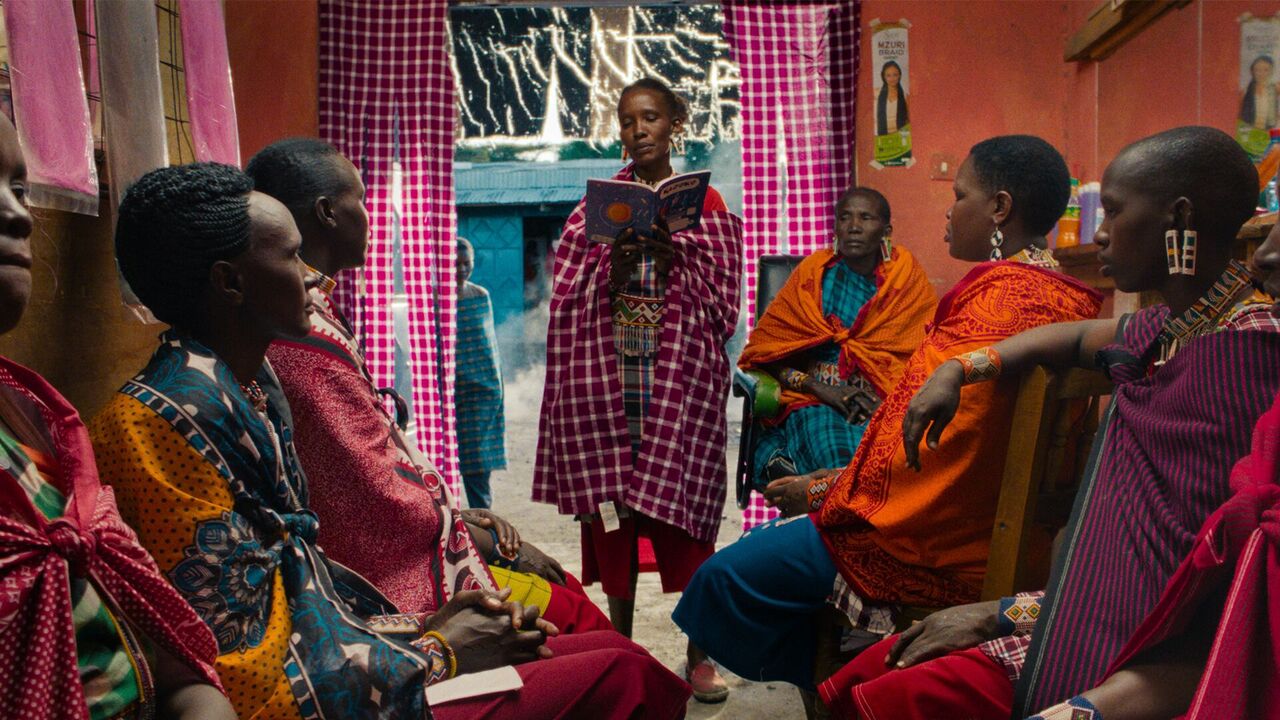
The film follows Star, a 38-year-old unmarried woman in a pastoral Kenyan village who begins searching for her identity after spotting her childhood photo on the cover of a book. According to Tribeca, the film explores belonging, land, dignity and the pressures placed on women within structured societies, while also critiquing how nonprofit organisations can reshape African narratives to fit colonial or Western expectations.
This is another reason the African selections matter.
They are not all arriving with the same visual language or thematic concern. Some are political. Some are intimate. Some are experimental. Some are rooted in local community tensions. Together, they challenge the idea that African cinema has to explain the continent to outsiders.
Increasingly, the stronger works are not trying to simplify Africa for global consumption. They are specific, layered and unafraid of complexity.
Cameroon is represented through Jail Time Records.
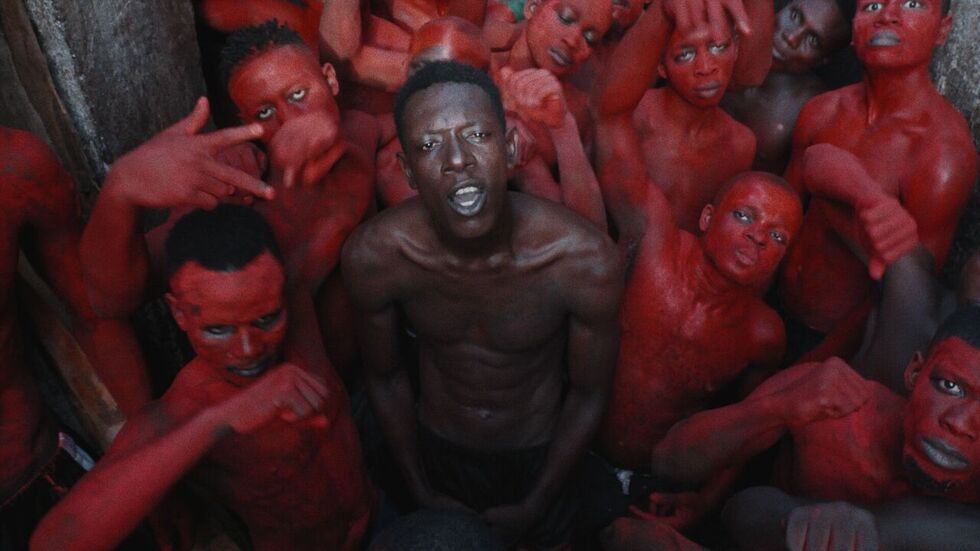
Jail Time Records is a feature documentary by Dione Roach and Steve Happi. The film profiles what Tribeca describes as the first prison recording studio on the African continent, located inside New Bell Prison in Cameroon.
The documentary follows incarcerated artists who use music as expression, therapy and survival inside one of the continent’s most overcrowded prisons. It will have its world premiere in Tribeca’s Documentary Competition.
South Africa appears in multiple forms.
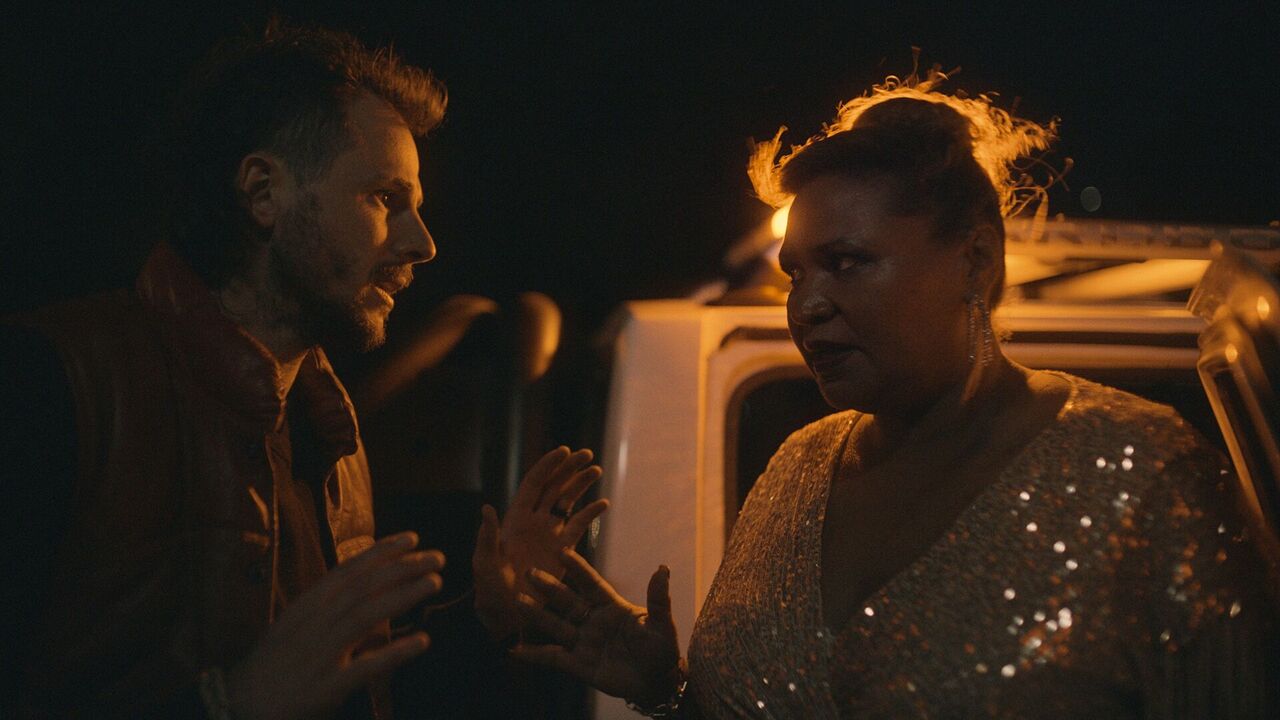
Vultures, directed by Dian Weys, is a France–South Africa short narrative about a tow truck driver whose actions after a car crash spiral out of control. The film screens as a New York premiere.
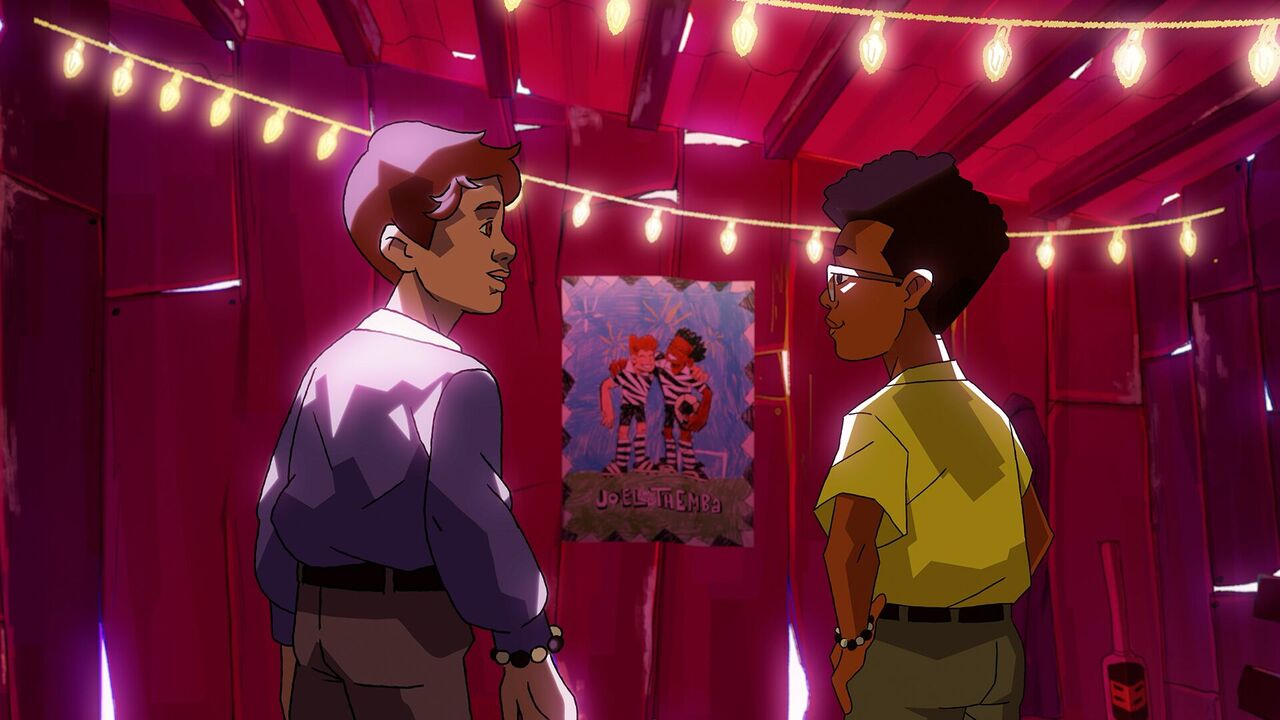
Meanwhile, APART, directed by South African illustrator and artist Pola Maneli, is a United States–South Africa animated short set in apartheid South Africa. Written by Spike Lee, Tim Jones, Jeff Leisawitz and Lubabalo Mtati, the film follows a forbidden friendship between two boys divided by the hatred of their world. It will have its world premiere at Tribeca.
North Africa also features in the lineup.
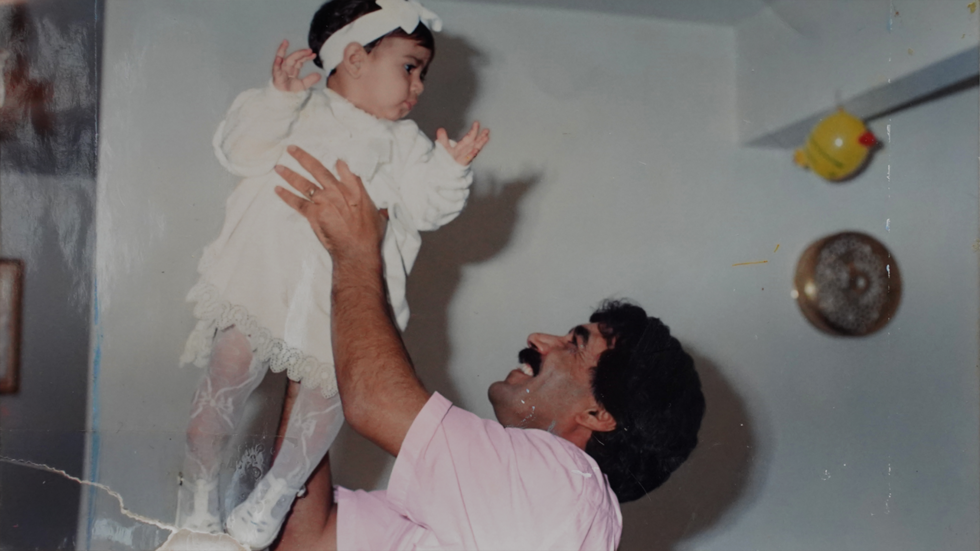
Moroccan filmmaker Meriem Sakrouhi’s Mon Taxi is an eight-minute short documentary about grief, memory and the urge to stay connected to a father after his death.
Egypt’s 32B, directed by Mohamed Taher and written by Haitham Dabbour, is a short comedy about a single father awkwardly trying to buy his teenage daughter her first bra.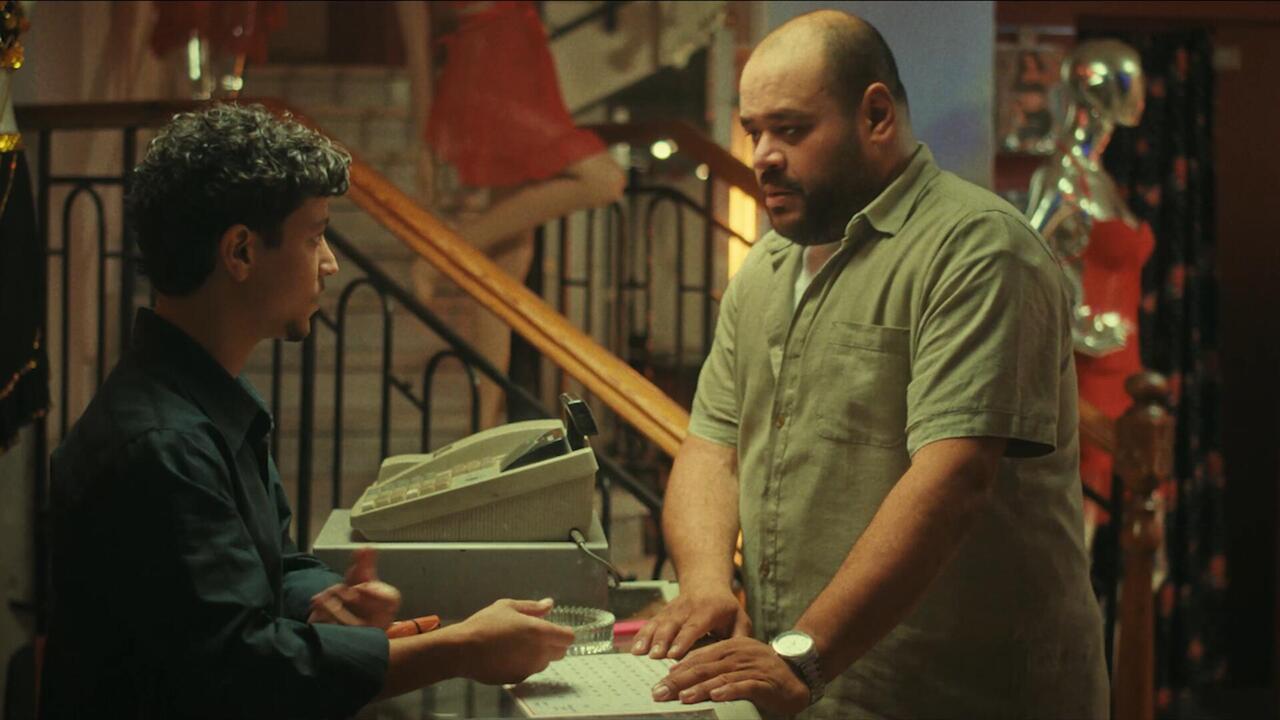
The range of these films is worth paying attention to.
These selections are not only “African films” in the broad symbolic sense. They point to different production realities across the continent: Nigerian collectives, Kenyan-Nigerian collaboration, Cameroonian documentary access, South African animation, Moroccan personal documentary and Egyptian comedy.
The presence may still be modest compared to the size of the festival, but the spread is meaningful. It also arrives at a moment when other major festivals are building more intentional bridges with African cinema.
TIFF for instance, has in recent years hosted the Africa Hub in collaboration with the Canadian Council on Africa and African Women Acting. The 2024 edition was described as a platform and meeting place to connect Canadian film industry capabilities with African film industry opportunities, including programmes around film finance, distribution, co-production, animation, women in film and African country showcases.
African films screening at global festivals can generate visibility and prestige, but those alone do not automatically build an industry. What matters is whether these platforms lead to distribution, sales, financing, co-production pathways, better festival strategy, stronger press attention and long-term audience development.
These visibility moments for Africa suggests that the global film industry is no longer only looking at African cinema as cultural representation but as an ecosystem: a place of stories, talent, locations, audiences, production partners and future market growth.
But there is a caution.
African cinema should not become valuable only when validated abroad. The fact that these films are screening internationally is important, but the real question is whether African countries are building the local systems that allow such work to be financed, exhibited, archived, reviewed and watched at home.
Festivals like Tribeca can introduce the films to new audiences. TIFF’s Africa-facing industry programmes can create business conversations. However, African cinema’s future cannot depend entirely on external stages.
The deeper opportunity is for global recognition to strengthen local infrastructure, not replace it.
For now, the 2026 Tribeca selections offer a useful snapshot of where African cinema is heading: bold documentaries, intimate dramas, political animation, personal shorts and stories that refuse to be boxed into one idea of the continent.
The world is watching more closely.
The question is whether Africa’s own film ecosystems are ready to meet that attention with ambition, structure and investment.