

The Film Directors from Africa whose films made it to Cannes: Marie-Clémentine Dusabejambo, Rafiki Fariala and Laïla Marrakchi
For years, conversations around African cinema at major festivals have often centred on representation: how many films made it in, which countries were selected, and whether the continent is still being overlooked.
But Cannes 2026 tells a slightly different story.
This year, just like the previous year, three African films have been selected in the Un Certain Regard section of the 79th edition of the Cannes Film Festival: Ben'Imana from Rwanda, Congo Boy from the Central African Republic and Democratic Republic of Congo, and La Más Dulce from Morocco.
Three films may not sound remarkable on paper but the bigger story is what these films reveal about the state of African cinema infrastructure.
These are not films that appeared overnight. They are the result of years of development labs, project markets, international co-productions, post-production support and long-term creative investment. Cannes is not simply rewarding African stories. It is recognising the ecosystems increasingly helping African filmmakers build them.
The 79th edition of the Cannes Film Festival will run from May 12 to May 23 in Cannes, France. This year, the festival received 2,541 feature submissions and selected just 60 films across all sections. Un Certain Regard, the section where all three African films were selected, features only 15 titles and is designed to spotlight emerging and daring cinematic voices.
Rwanda Reaches Cannes With Ben'Imana
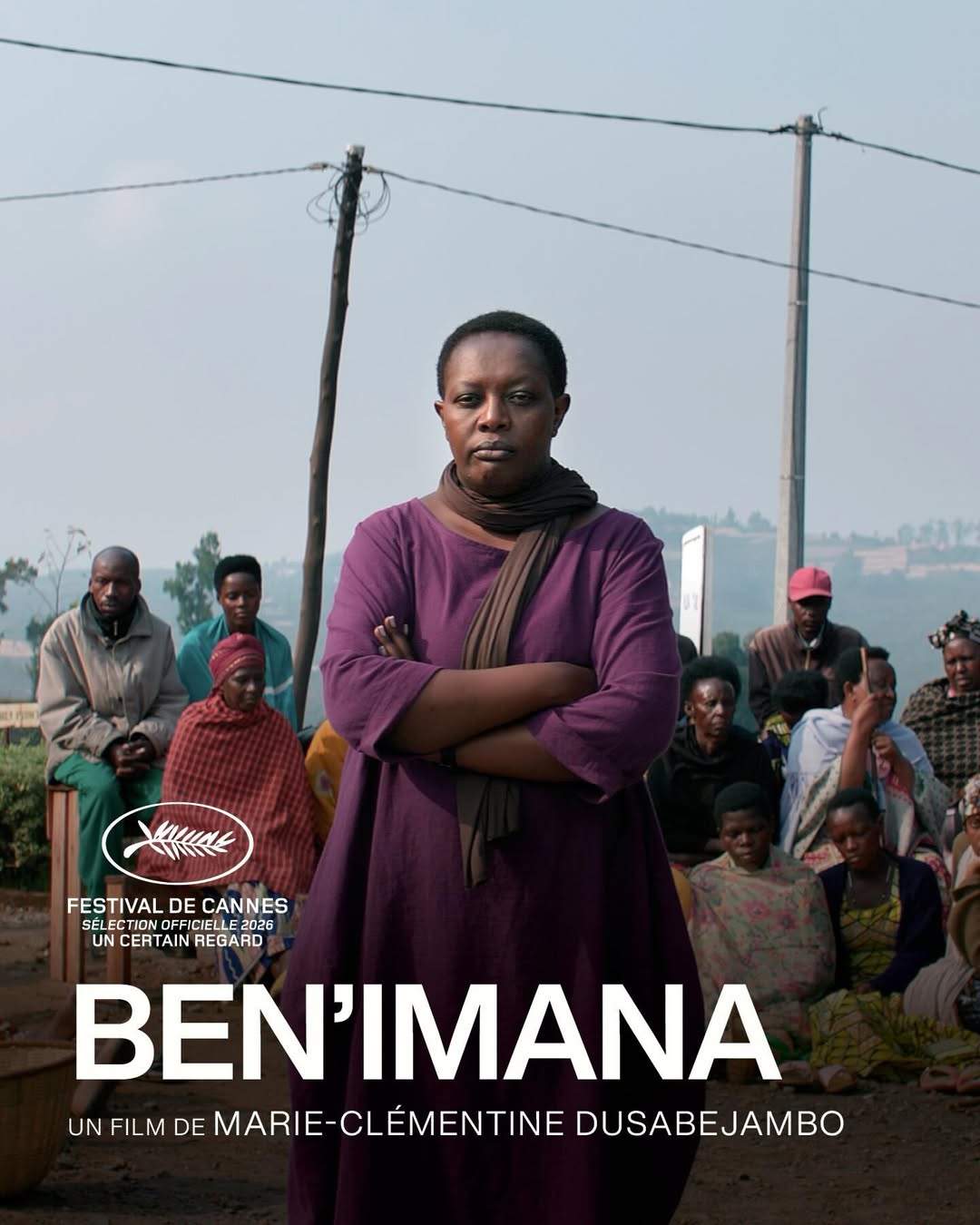
The biggest historic milestone this year may belong to Rwanda.
Ben'Imana becomes Rwanda's first feature film selected for the official selection of the Cannes Film Festival.
Directed by Marie-Clémentine Dusabejambo, the film follows Veneranda, a survivor of the 1994 genocide against the Tutsi, whose traumatic past resurfaces when her daughter becomes pregnant. Set in Rwanda in 2012, the film explores memory, survival, intergenerational trauma and the emotional labour of rebuilding life after violence.
The journey to Cannes was long.
The project passed through the Ouaga Film Lab in 2019, then the La Fabrique Cinéma in 2022, where the director and producer presented it internationally. It later moved through the Durban FilmMart in 2024 and the Red Sea Souk in 2025.
At the 2025 Red Sea Souk Awards, the film secured a $40,000 post-production grant alongside an additional in-kind award valued at $32,500.
It is a majority African co-production between Rwanda, Gabon, France and Norway, led by production companies Ejo Cine, Princesse M Prod, Les Films du Bilboquet and Duo Film. The cast is made up almost entirely of non-professional actors, while Egyptian cinematographer Mostafa El Kashef handled the film's visuals.
Ben’Imana is an African majority co-production.
It is produced by Ejo Cine.Ltd (Rwanda), Princesse M Prod (Gabon) in coproduction with Les Films du Bilboquet (France) and Duo Film (Norway).
International sales are being handled by MK2 Films, while Cannes artistic director Thierry Frémaux reportedly described the debut feature as "astounding".
For Dusabejambo, whose earlier short films including Lyiza, A Place for Myself and Behind the World explored questions of identity, memory and justice, Cannes is the culmination of over a decade of work.
Congo Boy and the Rise of Central African Cinema
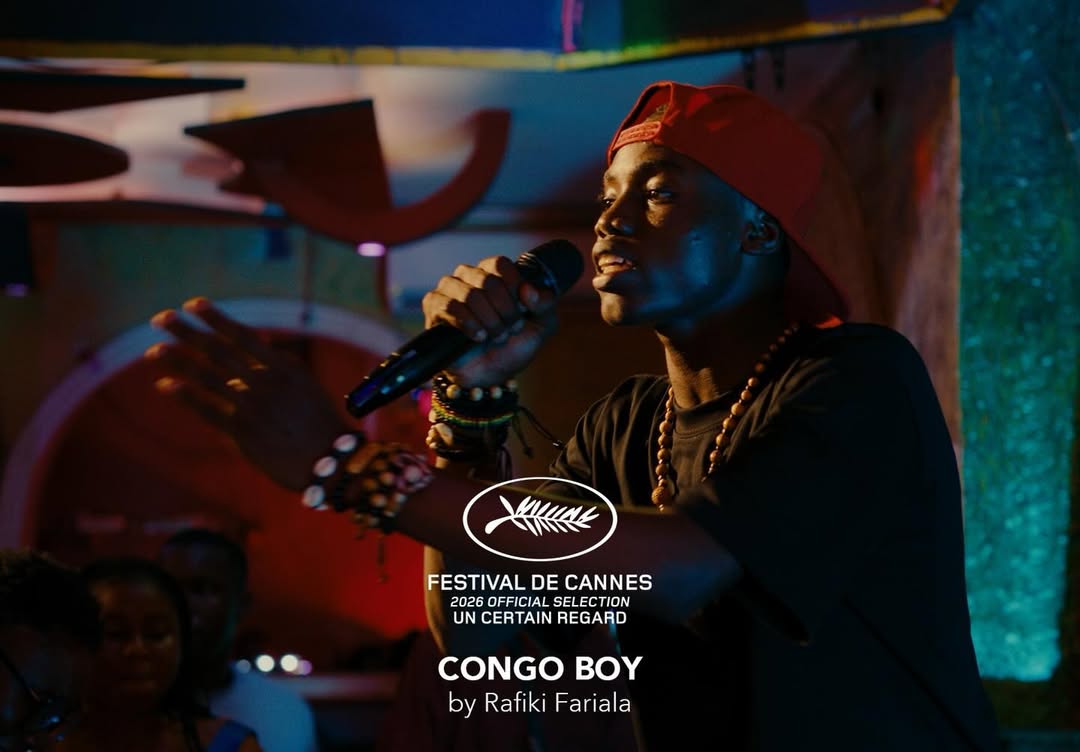
Congo Boy may be one of the most personal African films in this year's selection.
Directed by Rafiki Fariala, the film tells the story of Robert, a 17-year-old Congolese refugee living in Bangui, Central African Republic. When civil war tears through the country and both his parents are imprisoned after trying to obtain citizenship, Robert is left to care for his four younger siblings while still trying to pursue his dream of becoming a musician.
The story is deeply rooted in Fariala's own experience as a refugee from the Democratic Republic of Congo.
Before becoming a filmmaker, Fariala worked as a musician and recorded music in 2013. He later studied filmmaking at the Ateliers Varan between 2018 and 2019 before directing We Students!, the first Central African Republic feature to play at the Berlin International Film Festival.
With Congo Boy, Fariala becomes one of the few African filmmakers in recent years to move from Berlin to Cannes in such a short period.
The project was developed through the Atlas Ateliers in 2022 before premiering in Un Certain Regard in Cannes 2026.
Produced by Makongo Films, Kiripifilms and Unité, the film is another example of how African cinema is increasingly being built through regional collaboration rather than within national borders alone.
It is also part of a growing wave of cinema from Central Africa, a region still underrepresented in global film conversations despite its rich storytelling potential.
La Más Dulce Turns Labour Exploitation Into Cannes Drama
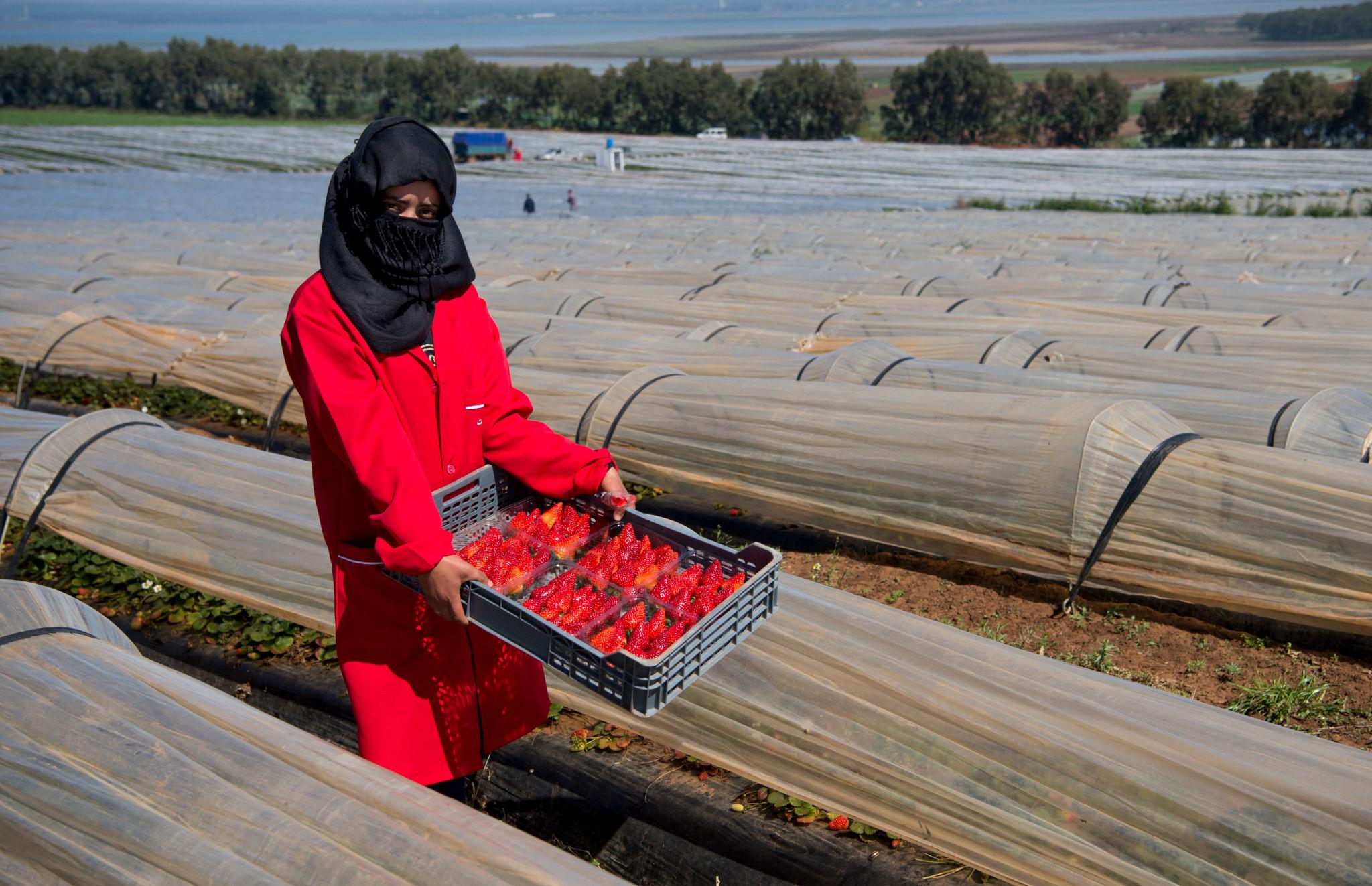
Moroccan filmmaker Laïla Marrakchi returns to Cannes with La Más Dulce (The Sweetest Thing), more than two decades after Marock and more than a decade after Rock the Casbah.
The film follows two Moroccan women who travel to southern Spain to work in strawberry fields after being promised wages that could transform life for their families. Instead, they encounter exploitation, harassment and systems designed to keep them trapped.
Eventually, with the support of a lawyer couple, they decide to testify about their experiences, despite the personal risks involved.
The film speaks directly to issues of labour trafficking, migrant exploitation and the hidden realities behind seasonal work programmes.
Like the other African titles in this year's selection, La Más Dulce also passed through a development ecosystem before reaching Cannes.
In 2025, the project won the Atlas Post-Production Prize at the Ateliers de l'Atlas, giving it crucial finishing support before its Cannes premiere.
For Marrakchi, Cannes marks both a return and a reminder of Morocco's longstanding relationship with international cinema.
What Cannes 2026 Says About African Cinema
Image Source: Cannes Film Festival
The most important story behind Africa's Cannes presence this year may not be the number of films selected.
It is the fact that all three films were supported by some form of African or international development structure before arriving on one of cinema's biggest stages.
Ben'Imana moved through four separate industry platforms before Cannes. Congo Boy benefited from regional development support and cross-border production. La Más Dulce received post-production backing before completion.
African cinema is no longer only about isolated breakthroughs or individual talent stories.
What Cannes 2026 reflects is an emerging production infrastructure: labs, markets, co-production networks, grants and regional partnerships that are increasingly capable of developing African films to compete globally.
That may be the most significant milestone of all.